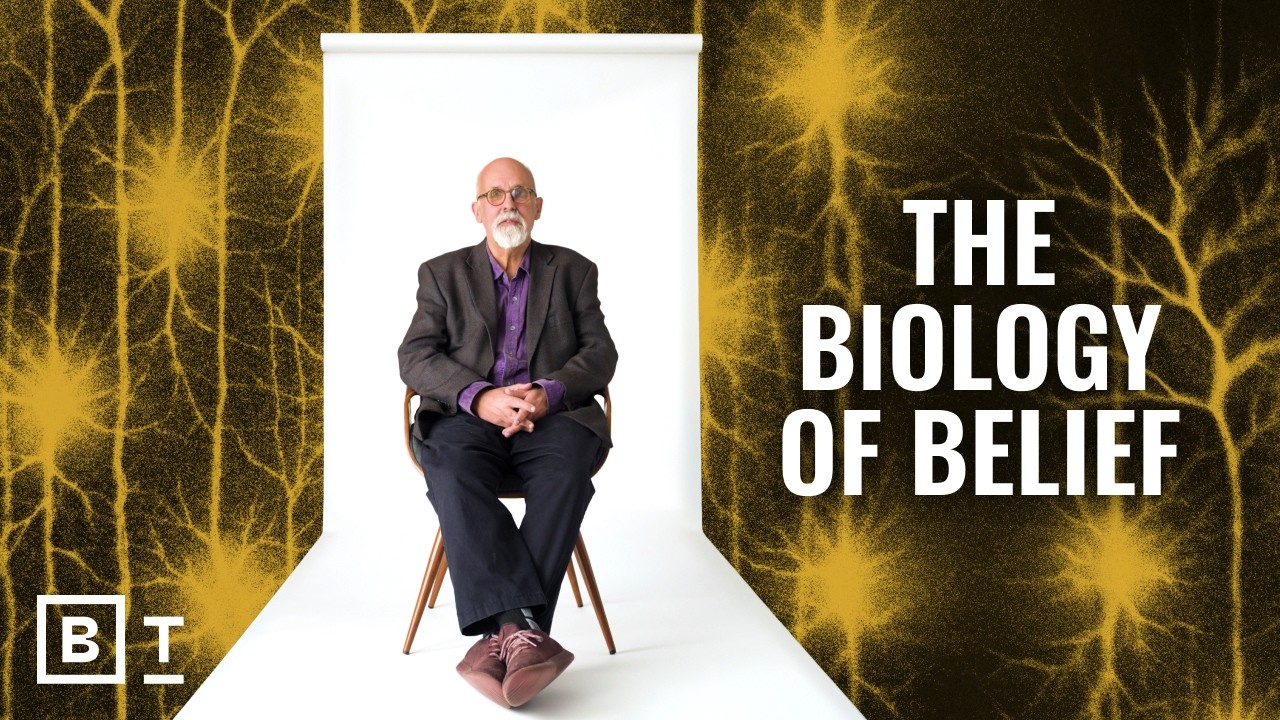
Neuroscientist David Linden discusses how the mind and body communicate through neural, hormonal, and immune pathways, explaining phenomena like the placebo effect, broken heart syndrome, and voodoo death. He details the biology of hunger and the revolutionary GLP-1 drugs (e.g., semaglutide), which mimic a natural hormone to suppress appetite, but notes they require continuous use and have side effects like nausea and muscle loss. Linden also explores emerging research on how the nervous system influences cancer progression, suggesting that brain activity can affect tumor growth via neural signals. He emphasizes that many medical mysteries have biological explanations rooted in the brain's control over bodily functions. The interview concludes with personal reflections on preparing for death, integrating scientific and philosophical perspectives.
Critical Evaluation
The interview provides a comprehensive overview of the mind-body connection, drawing on established neuroscience and recent research. Linden's expertise as a Johns Hopkins professor lends authority, and he effectively translates complex concepts (e.g., interoception, GLP-1 mechanism) for a broad audience. The discussion of voodoo death and broken heart syndrome is intriguing but relies on anecdotal and historical evidence; while plausible, the mechanisms (e.g., sympathetic overactivation) are not fully proven. The segment on GLP-1 drugs is well-supported by clinical data, though Linden's optimism about their benefits beyond weight loss (e.g., anti-inflammatory effects) is speculative. The cancer neuroscience section is cutting-edge but still emerging; Linden acknowledges this by calling it 'the way of the nerd.' The interview lacks critical counterarguments, such as the placebo effect's limitations or the ethical concerns of GLP-1 drugs. The title is representative, as the content indeed covers phenomena medicine struggles to explain. Overall, the video is informative and thought-provoking, but viewers should seek additional sources for a balanced view. The absence of citations in the video itself is mitigated by the provided transcript and links, though the description's links are mostly promotional. The interview's strength lies in its synthesis of diverse topics, but it occasionally overstates the certainty of some claims.
This interview synthesizes multiple mind-body phenomena into a coherent narrative, emphasizing the biological underpinnings of phenomena often considered mystical. It provides an accessible explanation of GLP-1 drugs' mechanism and their broader effects, and highlights the emerging field of cancer neuroscience. The personal perspective on death adds a unique dimension.
Pour mieux comprendre :
- Interoception — Wikipedia article explaining the sense of the internal state of the body.
- GLP-1 receptor agonist — Wikipedia article on the class of drugs discussed.
- Placebo effect — Wikipedia article covering the phenomenon and its mechanisms.
Radar Profile
The radar shows high scores in quantity and quality of information, reflecting the interview's depth and expert delivery. The technical level is moderate, suitable for a general audience with some scientific background. Reliability is high but not perfect due to speculative elements. Overall, the profile indicates a well-rounded, informative piece.