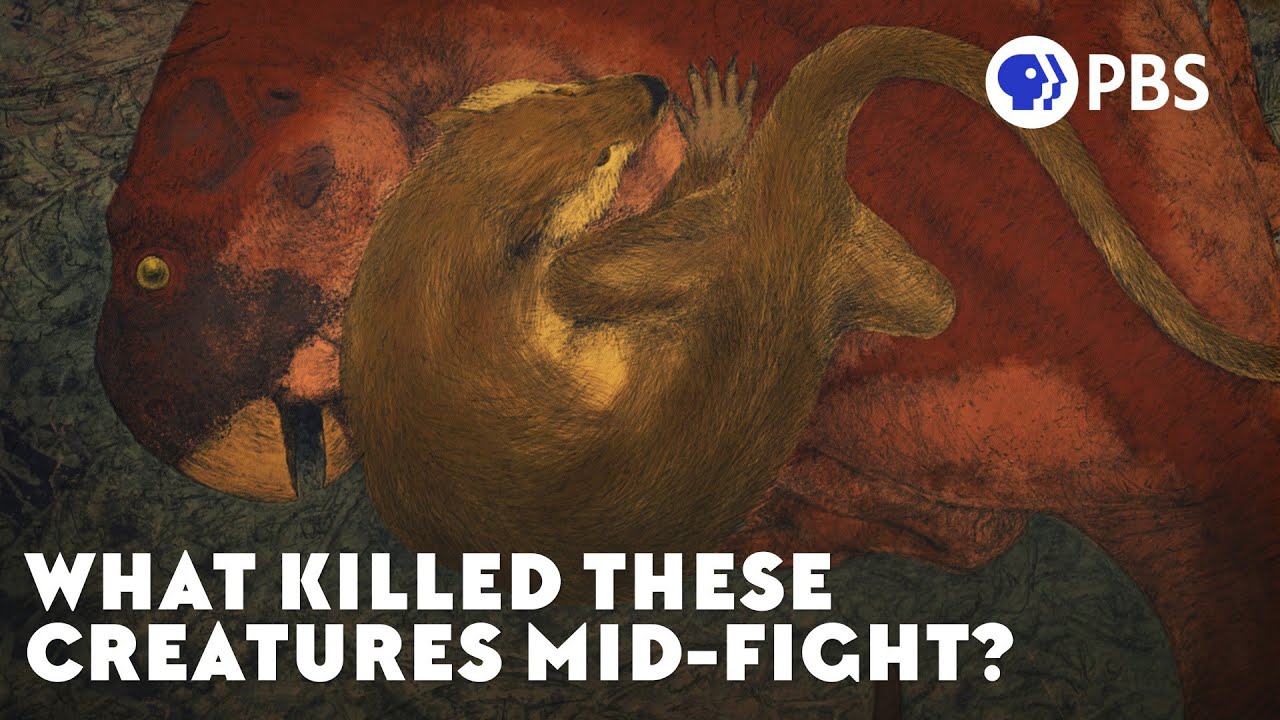
The Mystery of the Cretaceous Pompeii
Keywords
Summary
170 words
Critical Evaluation
Value of the Information & Strength of the Argument
The video excels in presenting a compelling mystery and systematically evaluating hypotheses. It compares and contrasts the Pompeii and Lujiatun cases, using evidence from sedimentology, posture analysis, and modern analogues like the Lake Nyos disaster. The argumentation is logical, transparent about uncertainties, and avoids overstatement. The value lies in its ability to translate complex geological and paleontological concepts into an engaging narrative while accurately conveying current scientific thinking.
Scientific Rigor, Source Quality, Title Accuracy
The video demonstrates rigorous scientific practice: it cites a list of references (provided in the description), acknowledges and corrects an error (as seen in the pinned comment about Liaoning being northeastern China), and presents multiple working hypotheses rather than a single oversimplified explanation. The title is apt and evocative, capturing the geohistorical parallel. The inclusion of expert commentary and the use of recent research enhance its credibility. Overall, the source quality is high, and the content aligns well with the title.
164 words
Title / Content Match
The title accurately reflects the content, which explores the mystery of fossil preservation at Lujiatun and its comparative analysis with Pompeii.
Quality & Reliability
9/10
The video presents well-researched content, supported by scientific references, and clearly distinguishes between established facts and hypotheses. The presentation is accurate and carefully nuanced.
Key Moments
Markers derived by PSI from the transcript: the creator did not define chapters.
- Introduction to the mystery of the Cretaceous Pompeii and the fossil site in China.
- Description of the Lujiatun fossil beds and the diverse dinosaur skeletons posed in rest.
- Introduction of the 2023 fossil showing Repenomamus attacking Psittacosaurus, illustrating predation.
- Comparison with Pompeii: explanation of pyroclastic flows and the pugilistic posture of victims.
- Discussion of lahars and the sedimentological evidence suggesting a different death mechanism.
- Hypothesis of lethal CO2 gas as the cause of death, supported by modern examples like Lake Nyos.
- Conclusion highlighting the scientific insights gained from these fossils and the ongoing research.
Cited Sources
- References (Google Docs) — List of scientific references supporting the video's claims.
External References
Contribution & Novelties
The video provides a novel synthesis of existing research on the Lujiatun site, offering a clear and compelling explanation for the mysterious preservation of the dinosaurs. It distinguishes between the Pompeii event and the Lujiatun deposits, proposing a CO2 poisoning scenario supported by sedimentological and paleontological evidence. This contributes to the public understanding of paleontological methodology and the complexities of interpreting ancient death scenes.
Pour aller plus loin :
- Yixian Formation — The geological formation that includes Lujiatun, famous for feathered dinosaurs and exceptional preservation.
- Lahar — A volcanic mudflow, central to the burial hypothesis discussed in the video.
- Carbon dioxide toxicity — Explains the physiological effects of CO2, supporting the proposed asphyxiation mechanism.
- Pompeii — For further comparison with the archaeological site referenced in the video.
127 words
Radar Profile
The radar profile is well-balanced with high scores in quantity, quality, technique, and reliability, indicating a comprehensive and trustworthy educational video. The slight dip in technical level suggests the content is accessible without oversimplification.
💬 très positif — Sur les 30 commentaires analysés, l'enthousiasme est général, avec des réactions émotionnelles aux fossiles et des suggestions constructives, mais aucune critique majeure.