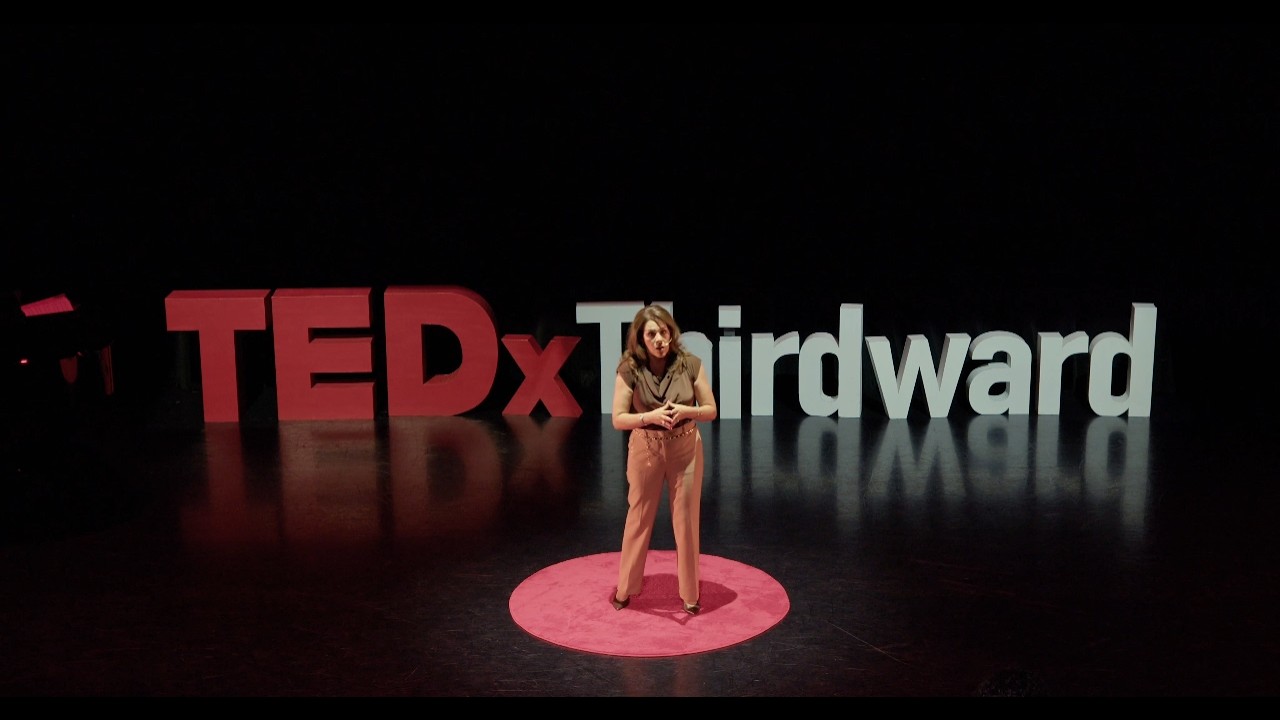
Stitched is not healed | Elena Sarango-Muniz | TEDxThird Ward Salon
Keywords
Summary
138 words
Critical Evaluation
Value of the Information & Strength of the Argument
The talk’s value lies in its relatable personal narrative and its accessible framework for self-reflection. The argument is built on anecdotal evidence and personal experience, which makes it emotionally compelling but not scientifically rigorous. The speaker uses the metaphor of a physical wound to illustrate psychological healing, which is effective but not deeply explored. The argumentation is coherent but relies heavily on the speaker’s authority and personal story rather than on robust evidence. The three-question exercise is practical and could be useful for individuals seeking self-awareness, but its effectiveness is not empirically validated.
Scientific Rigor, Source Quality, Title Accuracy
The talk references a CDC study on adverse childhood experiences and a study on accomplished individuals, but neither is cited in detail, and the latter lacks a specific source. The TEDx format encourages personal storytelling, which limits the scientific rigor. The title ‘Stitched is not healed’ is a strong metaphor that accurately encapsulates the talk’s message. The content is consistent with the title, though the scientific backing is thin. The speaker’s credentials as an executive coach and HR leader lend some authority, but the talk is primarily an opinion piece rather than a research-based presentation.
203 words
Title / Content Match
The title accurately reflects the central metaphor of the talk, contrasting 'stitched' (superficial healing) with 'healed' (deep recovery).
Quality & Reliability
6/10
The talk is based on personal experience and anecdotal evidence, with limited scientific references. The CDC study is cited but not detailed, and the study on accomplished individuals is mentioned without a specific source. The content is more inspirational than rigorously scientific.
Key Moments
Markers derived by PSI from the transcript: the creator did not define chapters.
- Speaker recounts the hallway encounter and the 'inhuman resources' comment.
- Speaker shares childhood injury story and the metaphor of stitched vs. healed.
- Cites CDC study on adverse childhood experiences.
- Discusses how childhood labels drive professional behavior.
- Speaker reflects on her own career and the hidden wound.
- Explains the process of healing and naming the wound.
- Introduces the three-question self-reflection exercise.
- Concludes with the message of choosing strength consciously.
Cited Sources
- TEDx Talks — The talk was given at a TEDx event, and this link provides general information about TEDx.
Concurring Sources
- CDC - Adverse Childhood Experiences — The CDC study mentioned in the talk is a key reference for the prevalence of ACEs.
Contribution & Novelties
The talk offers a personal and accessible perspective on the link between childhood adversity and professional excellence, emphasizing the importance of naming and understanding one’s wounds rather than merely covering them. It provides a simple self-reflection exercise that could be a starting point for deeper exploration.
Pour aller plus loin :
- Adverse Childhood Experiences (ACEs) — The CDC’s page on ACEs provides scientific background on the prevalence and impact of childhood adversity.
- Post-traumatic growth — This concept explores how individuals can experience positive change after trauma, relevant to the talk’s theme of strength arising from wounds.
- Emotional intelligence — The talk touches on emotional intelligence; this resource offers a broader understanding of the concept.
114 words
Radar Profile
The radar profile shows moderate scores across all dimensions, with a slightly higher score in quality of information due to the personal narrative and practical advice, but lower in technical level and quantity of information, reflecting the talk's focus on personal experience rather than in-depth scientific content.
💬 No comments were provided for analysis.