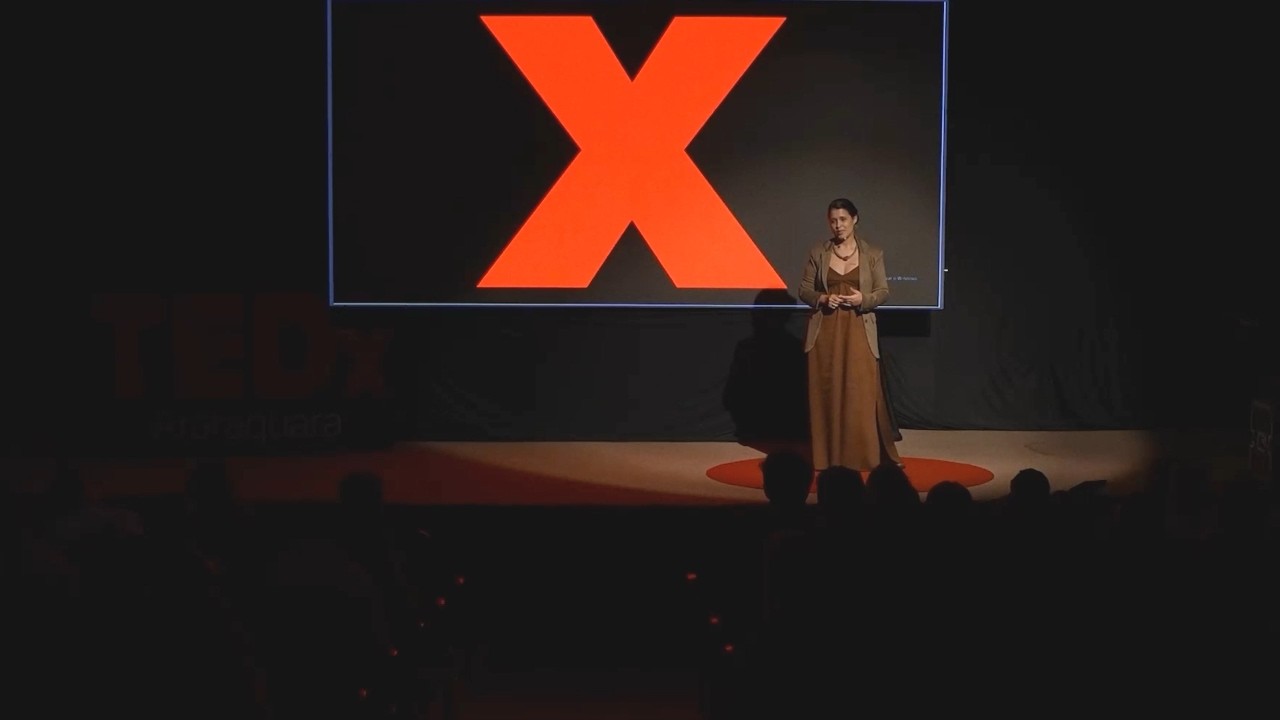
Conhecendo e reconhecendo sabores | Katleen Lacerda | TEDxAraraquara
Knowing and recognizing flavors | Katleen Lacerda | TEDxAraraquara
Keywords
Summary
185 words
Critical Evaluation
Value of the Information & Strength of the Argument
The talk’s value lies in its personal perspective and cultural critique, highlighting the erosion of culinary traditions and the impact of ultra-processed foods. The argumentation is largely anecdotal, relying on personal experience and emotional appeal rather than systematic evidence. While the speaker mentions studies, she does not provide specific data or citations, weakening the scientific foundation. The call to action for food sovereignty and revaluing local ingredients is compelling but lacks concrete solutions or policy recommendations.
Scientific Rigor, Source Quality, Title Accuracy
The scientific rigor is moderate; the speaker references studies by Agência Brasil and UNICEF but without precise details. The title accurately reflects the content, which is a personal and cultural exploration rather than a scientific analysis. The talk is an expert opinion piece, and the lack of verifiable sources limits its reliability. The description provides a link to TEDx, but no specific references are cited.
156 words
Title / Content Match
The title accurately reflects the content, which explores the importance of recognizing and valuing traditional flavors.
Quality & Reliability
6/10
The talk is a personal narrative with some references to studies (Agência Brasil, UNICEF) but lacks precise citations or data. The speaker is a chef with practical experience, but the scientific rigor is limited.
Key Moments
Markers derived by PSI from the transcript: the creator did not define chapters.
- Introduction: Katleen introduces herself and her background in gastronomy and literature.
- Childhood memories: growing up in a sugar cane plantation with a vegetable garden and family cooking.
- Personal shift: discovering gastronomy and deciding to pursue it professionally.
- Contrasting scenarios: traditional family meal vs. rushed convenience food.
- Discussion of ultra-processed food consumption and its cultural implications.
- Call to action: revaluing local ingredients and food sovereignty.
Cited Sources
- TEDx Talks — The talk was given at a TEDx event, and the description links to the TEDx program.
Concurring Sources
- Ultra-processed foods and health — WHO highlights the risks of ultra-processed foods and promotes healthy diets.
Contribution & Novelties
The talk offers a personal and cultural perspective on the loss of culinary traditions, framing it as a form of ‘modern colonization of taste.’ It connects individual eating habits to broader social and environmental issues, advocating for food sovereignty. The speaker’s emphasis on the emotional and communal aspects of cooking adds a unique dimension.
Pour aller plus loin :
- Ultra-processed foods — Overview of the definition and health impacts.
- Food sovereignty — Concept of communities controlling their food systems.
- Brazilian Food Guide — Official guide promoting healthy eating habits.
89 words
Radar Profile
The radar profile shows moderate scores in information quantity and quality, with a low technical level. The talk is more about cultural and social aspects than scientific depth, reflecting its nature as an expert opinion.