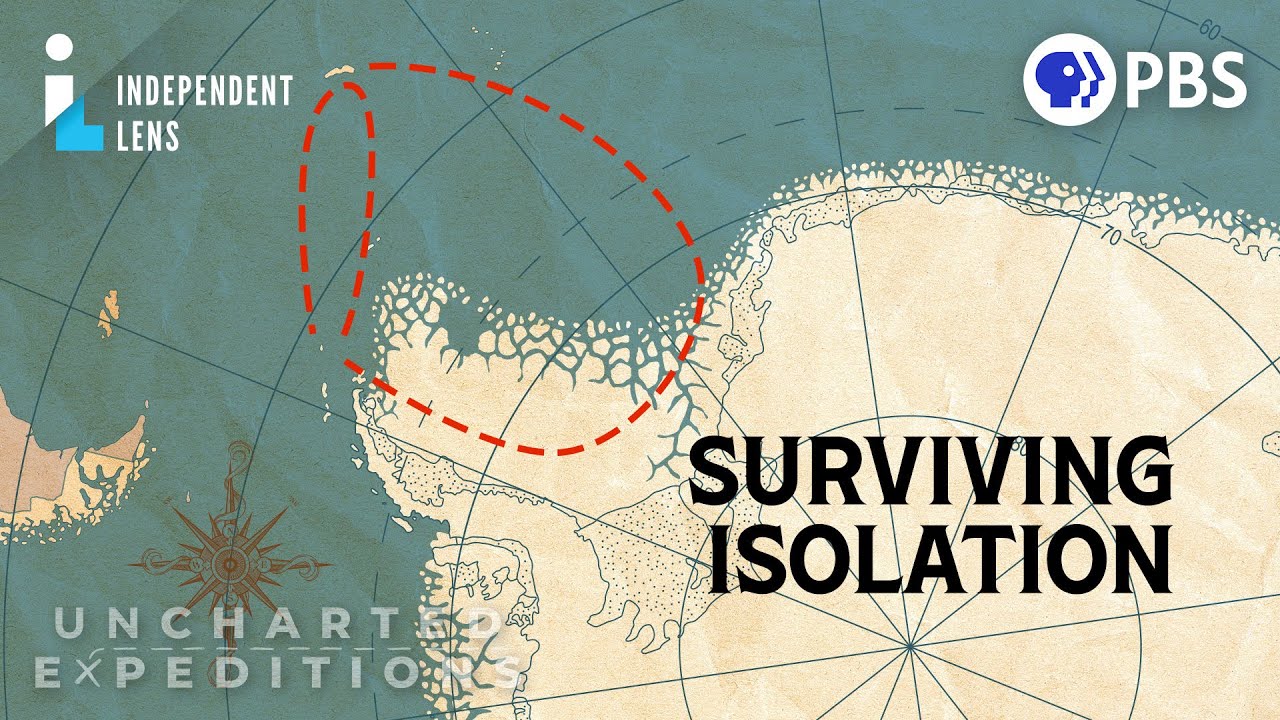
What an Antarctic Disaster Can Teach Us About Getting to Mars
Keywords
Summary
125 words
Critical Evaluation
Value of the Information & Strength of the Argument
The video provides valuable insights by connecting historical Antarctic exploration to future space missions, offering a unique perspective on the psychological challenges of isolation. The argumentation is solid, supported by expert interviews and scientific studies, such as the MRI research on Antarctic crew members. The narrative is compelling and well-structured, effectively illustrating how leadership and team cohesion are critical for survival in extreme conditions. The video does not overstate claims and acknowledges the limitations of analog missions, making its argumentation credible.
Scientific Rigor, Source Quality, Title Accuracy
The video demonstrates scientific rigor by referencing historical documents, expert opinions, and peer-reviewed studies. It mentions specific research, such as the German MRI study on Antarctic crews, and draws on the expertise of Dr. Jack Stuster and Dr. Nina Lanza. However, it does not provide direct citations or links to the studies mentioned, which could enhance its credibility. The title accurately reflects the content, and the video stays on topic, effectively comparing the two situations. The public comments are largely positive, with many viewers expressing admiration for Shackleton and the relevance of the topic to space exploration.
193 words
Title / Content Match
The title accurately reflects the content, which draws parallels between Shackleton's Antarctic expedition and the psychological challenges of a Mars mission.
Quality & Reliability
8/10
The video draws on historical records, expert interviews (Dr. Jack Stuster, Dr. Nina Lanza), and scientific studies (MRI research on Antarctic crews), providing a well-rounded and credible overview. However, it does not provide detailed citations or references for all claims, and some historical details are simplified.
Key Moments
Markers derived by PSI from the transcript: the creator did not define chapters.
- Introduction to Shackleton's expedition and the ad for hazardous journey.
- The Endurance becomes trapped in ice; crew faces isolation.
- Shackleton's leadership and morale-boosting activities.
- Introduction of Dr. Jack Stuster and Dr. Nina Lanza; psychological effects of isolation.
- Discussion of delayed communication and Earth-out-of-view phenomenon.
- The paradox of solitude and positive aspects of isolation.
- Shackleton's rescue mission and survival of all crew members.
- Conclusion: lessons for Mars missions and the human element.
Cited Sources
- PBS Donation Page — Support PBS Terra
- Space: The Longest Goodbye on Independent Lens — Related documentary on isolation in space
Concurring Sources
- NASA Human Research Program — Research on human factors in space exploration
- Antarctic Search for Meteorites — Program mentioned in the video for Antarctic research
Contribution & Novelties
The video offers a fresh perspective by linking historical Antarctic exploration to future Mars missions, emphasizing psychological resilience and leadership. It synthesizes expert opinions and scientific studies to highlight the human challenges of space travel.
Pour aller plus loin :
- Imperial Trans-Antarctic Expedition — Detailed historical account of Shackleton’s expedition.
- Psychological effects of isolation in space — Overview of psychological challenges in space missions.
- Hi-SEAS — Mars analog habitat simulating isolation and communication delays.
74 words
Radar Profile
The radar profile shows high scores in information quality and reliability, with moderate technical depth. The video is strong on qualitative insights and expert testimony, but less quantitative, reflecting its focus on human factors rather than technical details.
💬 Positif. Sur les 30 commentaires analysés, la majorité exprime admiration pour Shackleton et trouve le parallèle avec Mars pertinent et instructif.