Les relevés de l'art et les arts du relevé
The surveys of art and the arts of the survey
Keywords
Summary
185 words
Critical Evaluation
Value of the Information & Strength of the Argument
The value of the information lies in the diverse expert perspectives on the practice of recording prehistoric art. The speakers provide concrete examples from their fieldwork, illustrating the methodological challenges and the interpretive decisions involved. The argumentation is solid, grounded in years of professional experience and specific case studies. The discussion highlights the importance of the survey as a means of understanding the gestures and intentions of prehistoric artists, and it convincingly argues for the continued relevance of traditional recording methods alongside digital technologies. The speakers also reflect on the subjective and emotional dimensions of their work, adding depth to the technical discourse.
Scientific Rigor, Source Quality, Title Accuracy
The scientific rigor is high, given the credentials of the participants and the institutional context. The discussion is based on firsthand experience and established research, though specific citations are not systematically provided. The title accurately reflects the content, which explores both the technical and artistic aspects of recording prehistoric art. The sources cited are limited to the event page on the museum’s website, which provides context but not detailed references. The public comments, if any, are not provided, so no analysis of audience reception is possible.
204 words
Title / Content Match
The title accurately reflects the content, which explores the practice of recording prehistoric art and the artistic dimension of these surveys.
Quality & Reliability
8/10
The content is a round-table discussion among five specialists in prehistoric art studies, providing expert perspectives and methodological insights. The institutional setting (Musée de l'Homme) and the presence of recognized researchers lend credibility. However, the format is a debate rather than a peer-reviewed presentation, and specific sources are not systematically cited.
Key Moments
Markers derived by PSI from the transcript: the creator did not define chapters.
- Introduction of the speakers and the theme of the round table.
- Frédérique Duquesnoy shares her first contact with Saharan rock art and her career change.
- Olivier-Marc Nadel describes his experience at Roc-aux-Sorciers and the sensation of being watched.
- Stéphane Petrognani recounts his first visit to Lascaux II and its impact.
- Patrick Paillet recalls his first study in the Basque cave of Isturitz and Oxocelhaya.
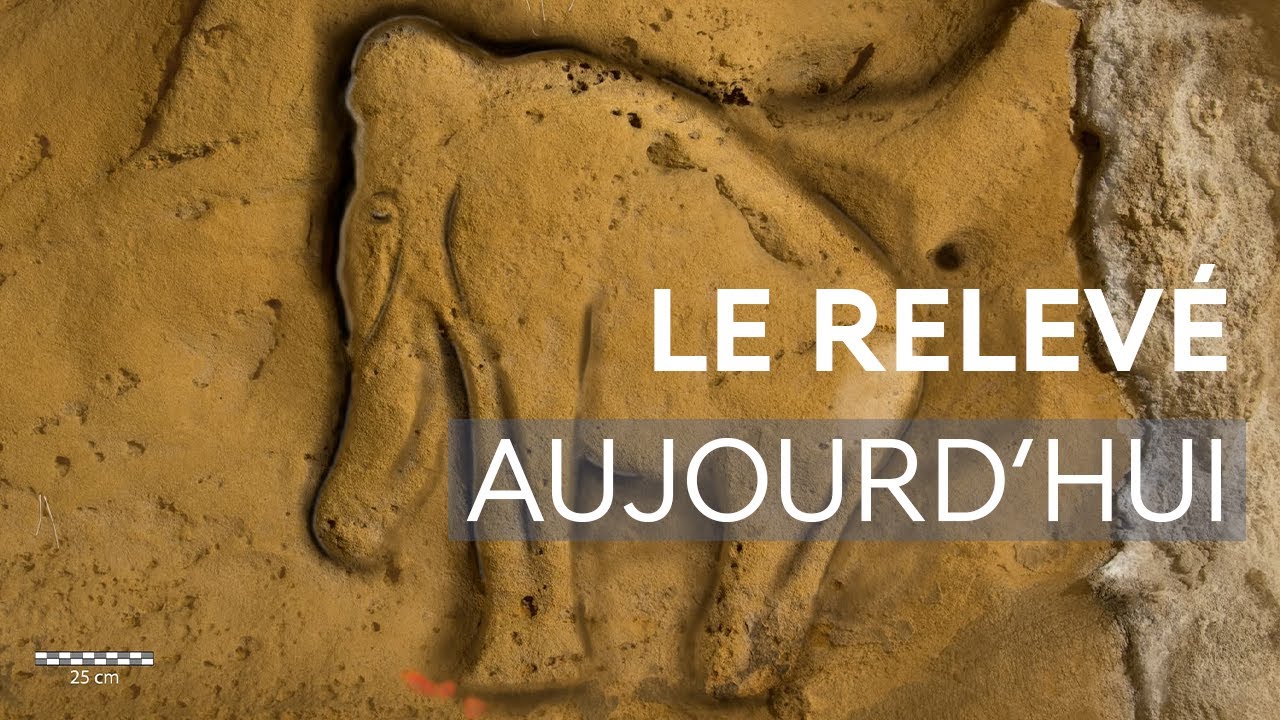
- Discussion on the challenges of recording sculpted art, using the example of a mammoth in Saint-Front.
- Debate on the use of photography and 3D in recording, and the importance of on-site observation.
- Reflections on the collaborative nature of recording and the role of the survey in archaeological interpretation.
- Questions from the audience and further discussion on the artistic dimension of surveys.
Cited Sources
- Les relevés de l'art et les arts du relevé - Musée de l'Homme — Event page for the round table, providing context and possibly additional resources.
Concurring Sources
- Art pariétal — General reference on parietal art, consistent with the video's content.
Contribution & Novelties
The video offers a unique multi-perspective insight into the practice of recording prehistoric art, combining archaeological, artistic, and personal viewpoints. It highlights the methodological evolution and the enduring importance of direct observation. The discussion also sheds light on the challenges of working in diverse contexts, from Saharan rock art to European caves.
Pour aller plus loin :
- Art pariétal — Overview of parietal art, relevant to the discussion.
- Relevé d’art rupestre — Specific article on the technique of recording rock art.
- Grotte de Font-de-Gaume — Site mentioned in the video, with known prehistoric art.
- Grotte Cosquer — Another site discussed, known for underwater cave art.
105 words
Radar Profile
The radar profile shows high scores in information quantity, quality, and technical level, with a slightly lower but still strong reliability score. This indicates a well-rounded, expert-led discussion that is both informative and credible.