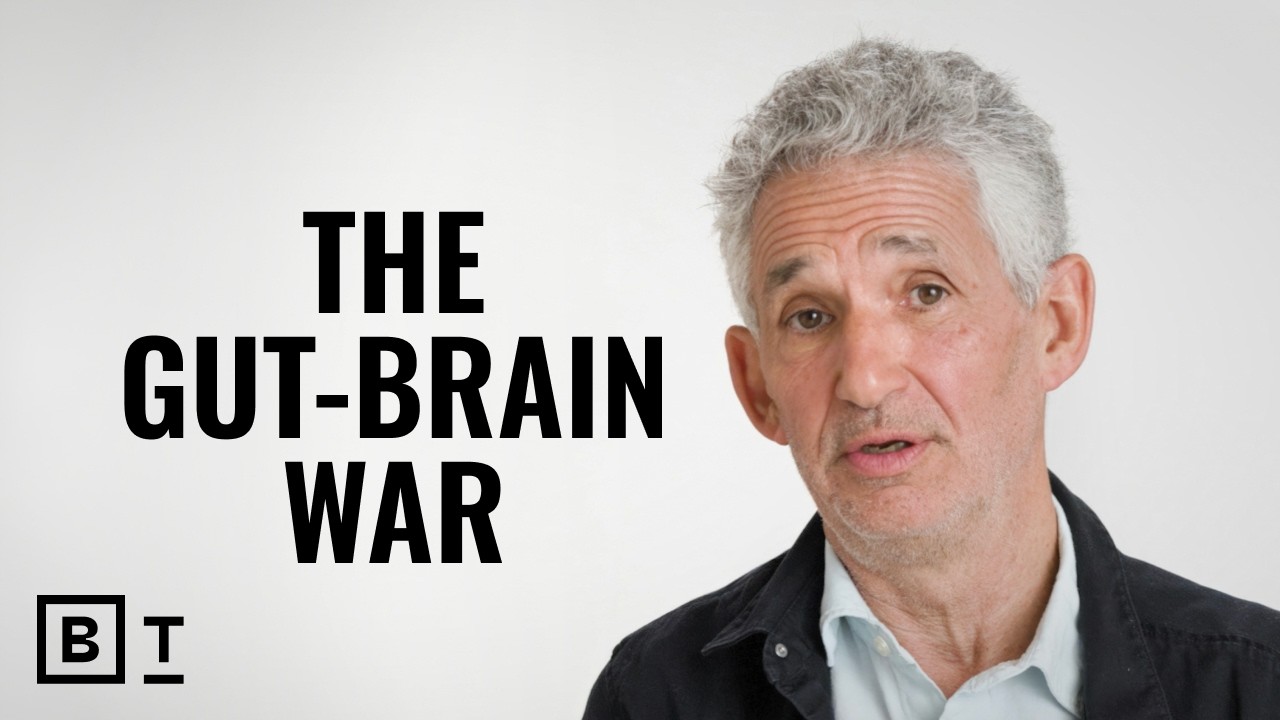
Microbiome expert: Your diet is making you anxious and depressed | Tim Spector
Keywords
Summary
174 words
Critical Evaluation
Value of the Information & Strength of the Argument
The video provides valuable insights into the gut-brain connection, presenting a compelling argument that diet and gut health are central to mental well-being. Spector effectively uses analogies (e.g., the gut as a zoo, the vagus nerve as an internet cable) to make complex scientific concepts accessible. His argumentation is logically structured, moving from the microbiome’s function to its role in inflammation and mental health, and finally to practical implications. However, the evidence presented is largely anecdotal or based on general research trends, with few specific studies cited. The speaker’s commercial affiliation with ZOE, a company selling microbiome tests, introduces a potential conflict of interest that is not explicitly addressed in the video, which may undermine the perceived objectivity of his recommendations.
Scientific Rigor, Source Quality, Title Accuracy
The scientific rigor is moderate. While Spector is a credible expert and the information aligns with current scientific understanding, the video lacks detailed citations of specific studies, relying instead on general statements like ‘studies show.’ The quality of sources is not explicitly detailed, but the speaker’s credentials and the mention of his research at King’s College London add some credibility. The title accurately reflects the content, which focuses on the link between diet, gut health, and mental health. The video does not present a balanced view of potential counterarguments or limitations of the research, which is a weakness in its scientific rigor.
238 words
Title / Content Match
The title accurately reflects the core message of the video, which links diet and gut health to mental health outcomes.
Quality & Reliability
7/10
The content is presented by a credible expert (Professor of Epidemiology) and aligns with current scientific consensus on the gut-brain axis. However, the video is largely an opinion piece with limited presentation of specific study data, and the speaker has a commercial interest in microbiome testing, which introduces potential bias.
Key Moments
Markers derived by PSI from the transcript: the creator did not define chapters.
- Introduction: The brain is not separate from the body; the gut provides most of its information.
- The gut microbiome is a virtual organ with trillions of microbes, more genes than human cells.
- Microbial diversity is key; example of a microbe that only eats coffee.
- The microbiome interacts with the immune system and the nervous system via the vagus nerve.
- Chronic inflammation is linked to mental health disorders; the gut-brain axis is a common pathway.
- The Standard American Diet (SAD) is a major cause of gut inflammation and mental health issues.
- Stress and poor sleep create a craving loop for unhealthy foods, worsening gut health.
- Oral health is linked to brain health; gum disease increases risk of dementia.
- Practical advice: monitor stool regularity, increase plant intake, exercise, and consider microbiome testing.
Cited Sources
- Big Think Membership — Promotional link for Big Think membership, not a scientific source.
Concurring Sources
- Gut-brain axis — Supports the concept of gut-brain communication via the vagus nerve.
Dissenting Sources
- Comment on conflict of interest — A top comment highlights that Tim Spector is a co-founder of ZOE, a company selling microbiome tests, which may bias his recommendations.
Contribution & Novelties
The video offers a clear and engaging synthesis of current knowledge on the gut-brain axis, emphasizing the role of inflammation and diet in mental health. It provides a practical framework for understanding how lifestyle factors can influence mental well-being through the microbiome. The discussion of oral health as a risk factor for dementia is a notable addition.
Pour aller plus loin :
- Gut-brain axis — Overview of the bidirectional communication between the gut and the brain.
- Microbiome — General article on the microbial communities living in and on the body.
- Inflammation — Biological response to harmful stimuli, central to the video’s argument.
- Tim Spector — Background on the speaker and his research.
- ZOE — Company co-founded by Spector, offering microbiome testing services.
122 words
Radar Profile
The radar profile shows high scores in quantity of information and fiabilite, but lower in technical level and quality of information, indicating a broad but not deeply technical presentation with some concerns about bias.
💬 Positif, avec des critiques notables sur le conflit d'intérêts potentiel. Sur les 30 commentaires analysés, la majorité exprime de l'appréciation pour le contenu informatif, mais plusieurs soulèvent des préoccupations concernant la promotion implicite de produits commerciaux et le manque de preuves spécifiques.