Science, technology and innovation for upskilling knowledge-based economies in Africa
Title history
- Science, technology and innovation for upskilling knowledge-based economies in Africa — observed on 20261026-0309 UTC (YouTube)
Keywords
Summary
182 words
Critical Evaluation
Value of the Information & Strength of the Argument
The value of the information lies in its authoritative presentation by three senior professionals with direct experience in African research and capacity building. They provide concrete examples (AESA, Global Health Network) and data (e.g., 400,000 modules, 10 million site visits) that substantiate their claims. However, the argumentation is primarily narrative and promotional, lacking critical assessment of limitations or failures. The speakers argue coherently that digital learning and funding mechanisms can shift the center of gravity toward African-led science, but they do not address potential counterarguments or implementation challenges comprehensively.
Scientific Rigor, Source Quality, Title Accuracy
The scientific rigor is moderate: the webinar is more of a panel discussion than a research presentation, relying on the expertise of the speakers rather than peer-reviewed evidence. Sources mentioned include the African Academy of Sciences, the World Health Organization, and the Global Health Network, all reputable institutions. The title accurately describes the content, as the webinar directly addresses how science, technology, and innovation support upskilling for knowledge-based economies. No specific comments or public reactions are analyzed here.
182 words
Title / Content Match
The title accurately reflects the webinar's focus on science, technology, and innovation as drivers for developing knowledge-based economies in Africa, and the three speakers discuss this theme comprehensively.
Quality & Reliability
7/10
Expert speakers from leading African and global institutions provide high-level insights, but the content is largely opinion and program descriptions rather than empirical data. Reliability is good for its genre, yet limited by anecdotal evidence and the absence of rigorous verification.
Key Moments
Markers derived by PSI from the transcript: the creator did not define chapters.
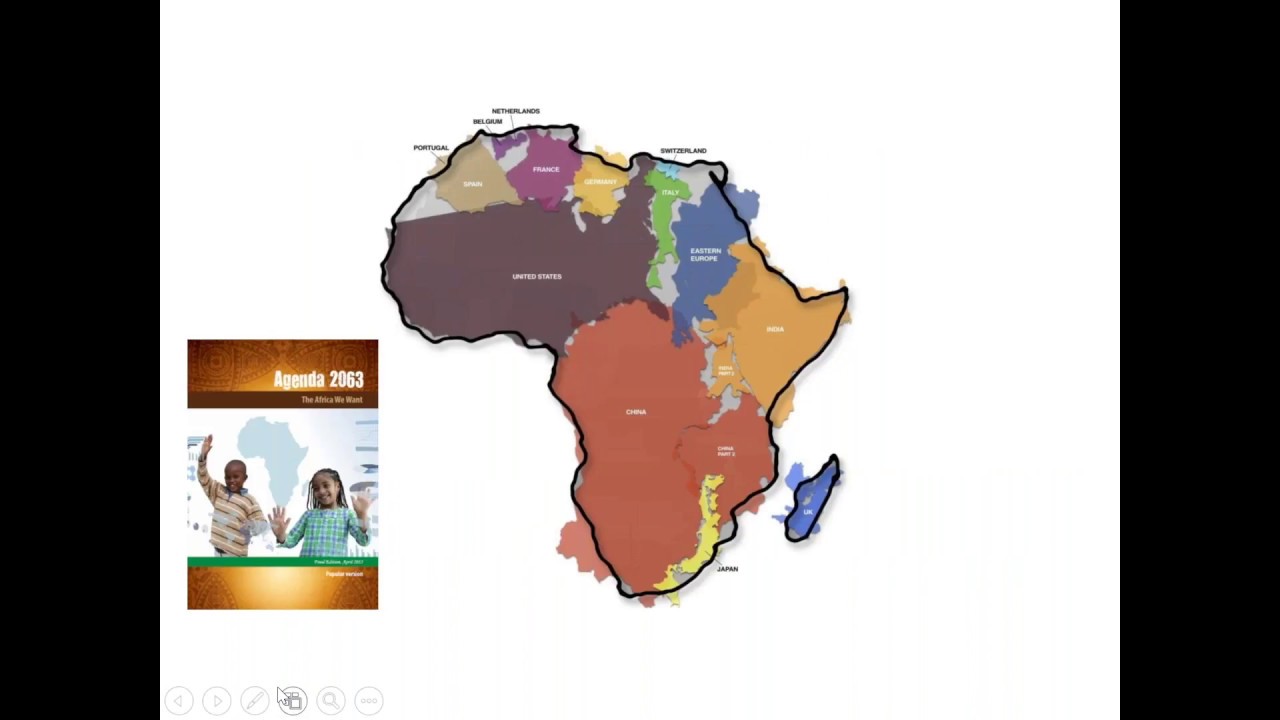
- Kevin Marsh starts by contrasting Africa with other regions and introducing Vision 2063.
- Marsh details the AESA platform and its strategic goals for building research environments.
- Trudy Lang begins her talk on the Global Health Network and its training platform.
- Lang discusses the professional membership scheme and competency framework developed with WHO.
- Alan Pamba shares his career journey from KEMRI to pharmaceutical industry.
- Pamba emphasizes the need for stronger industry-academia partnerships in Africa.
Cited Sources
- African Academy of Sciences — Marsh introduces AESA as part of this academy.
- The Global Health Network — Trudy Lang presents the platform as a digital learning and sharing hub.
- World Health Organization — Lang mentions WHO's call for low-income countries to generate their own research and the WHO-validated competency framework.
Contribution & Novelties
The webinar provides a unique perspective on career development in African science, combining insights from academia (Marsh), digital training (Lang), and industry (Pamba). It underscores the potential of online platforms for lifelong learning in low-resource settings and presents concrete initiatives like AESA and the Global Health Network. The original contribution is the emphasis on shifting research leadership to African scientists and the integration of industry partnerships.
Pour aller plus loin :
- African Union Agenda 2063 — The continental framework referenced by Marsh for knowledge-based economies.
- KEMRI-Wellcome Trust Research Programme — The Kenyan institution where all three speakers worked, illustrating long-term capacity building.
- Open access and research capacity in Africa — Wikipedia page discussing broader context of research accessibility.
118 words
Radar Profile
The radar profile shows moderate scores across dimensions, with qualitative information and reliability slightly higher, while quantity and technical level are moderate. This reflects an expert discussion that is thoughtful but not overly data-heavy.