Why it is not a failure to leave academia - and how to prepare for the transition
Title history
- Why it is not a failure to leave academia - and how to prepare for the transition — observed on 20261026-1837 UTC (YouTube)
Keywords
Summary
135 words
Critical Evaluation
Value of the Information & Strength of the Argument
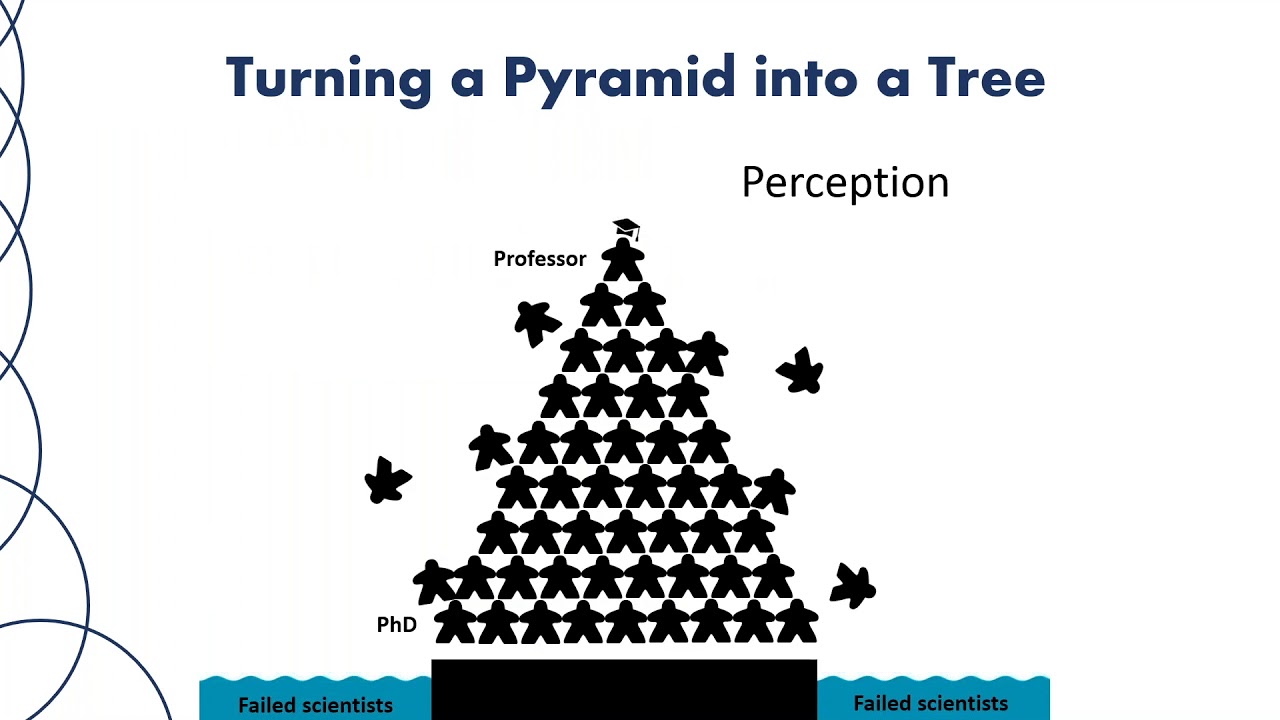
The value of this webinar lies in its actionable advice and relatable framing. Kruger provides a clear argument that leaving academia is not failure by referencing the high percentage of PhDs who pursue other careers and by deconstructing the ‘pyramid’ mindset. He supports his points with personal experiences and examples, and offers concrete tools like the Career Compass matrix. The argumentation is coherent and persuasive, though it relies heavily on anecdotal evidence and lacks robust statistical data. He acknowledges the merits of academic careers and encourages a balanced approach. The strength of the argumentation is its empathetic tone and practical guidance, making it valuable for early-career researchers.
Scientific Rigor, Source Quality, Title Accuracy
The talk is grounded in the speaker’s own experiences and references to reputable career resources, including his own Nature Careers column and the Oxford University Career Service’s Career Compass. He mentions websites like research-careers.org, Vitae, and Prospects, which are established sources. However, the presentation lacks scholarly citations and empirical evidence, so its scientific rigor is moderate. The title accurately reflects the content, focusing on both the reframing of leaving academia and practical preparation. The video’s structure is clear, progressing from cultural critique to actionable steps.
207 words
Title / Content Match
The title accurately reflects the content, which discusses why leaving academia is not a failure and how to prepare for the transition.
Quality & Reliability
7/10
The talk is based on personal experience and practical advice, with references to recognized career resources, but it lacks strong empirical data and is largely anecdotal.
Key Moments
Markers derived by PSI from the transcript: the creator did not define chapters.
- Introduction of the pyramid vs tree metaphor to illustrate the misperception of academic career paths.
- Consequences of the 'culture of failure' and the importance of taking initiative early in career planning.
- Explanation of the Career Compass self-assessment exercise for evaluating career options.
- Strategies to change academic culture, including open discussion and redefining what it means to be a scientist.
- Q&A session covering industrial postdocs and concerns about retaining talented researchers.
Cited Sources
- Nature article: Never say you are a failure to leave academia — Kruger's own Nature Careers column advocating that leaving academia is not failure.
- Career Compass (PDF) — Self-assessment exercise from Oxford University Careers Service.
- Research Careers — Website with career profiles of PhDs in various roles.
- Vitae - Researcher Careers — Vitae's researcher career development resources.
- Prospects — General career advice and job profiles for graduates.
Concurring Sources
- Nature article: Never say you are a failure to leave academia — The article by the same speaker supports the video's central message.
Contribution & Novelties
Apport original: La vidéo offre une perspective personnelle et pratique sur la transition hors du monde académique, mettant en avant un exercice concret de self-assessment (le Career Compass) et une stratégie pour explorer les carrières alternatives. Elle insiste sur le besoin de commencer tôt et de briser le tabou autour de la non-académie.
Pour aller plus loin :
- Transferable skills — Compétences transférables ou transposables, un concept central pour les chercheurs.
- Informational interview — Le fait de rencontrer des professionnels pour découvrir un métier, tel que recommandé dans la vidéo.
- Career planning — La planification de carrière, un outil pour réfléchir à son parcours.
104 words
Radar Profile
Le profil radar montre des scores élevés en quantité et qualité d'information, mais un niveau technique et une fiabilité modérés, reflétant une conférence accessible et pragmatique plutôt qu'un contenu hautement technique ou empirique.