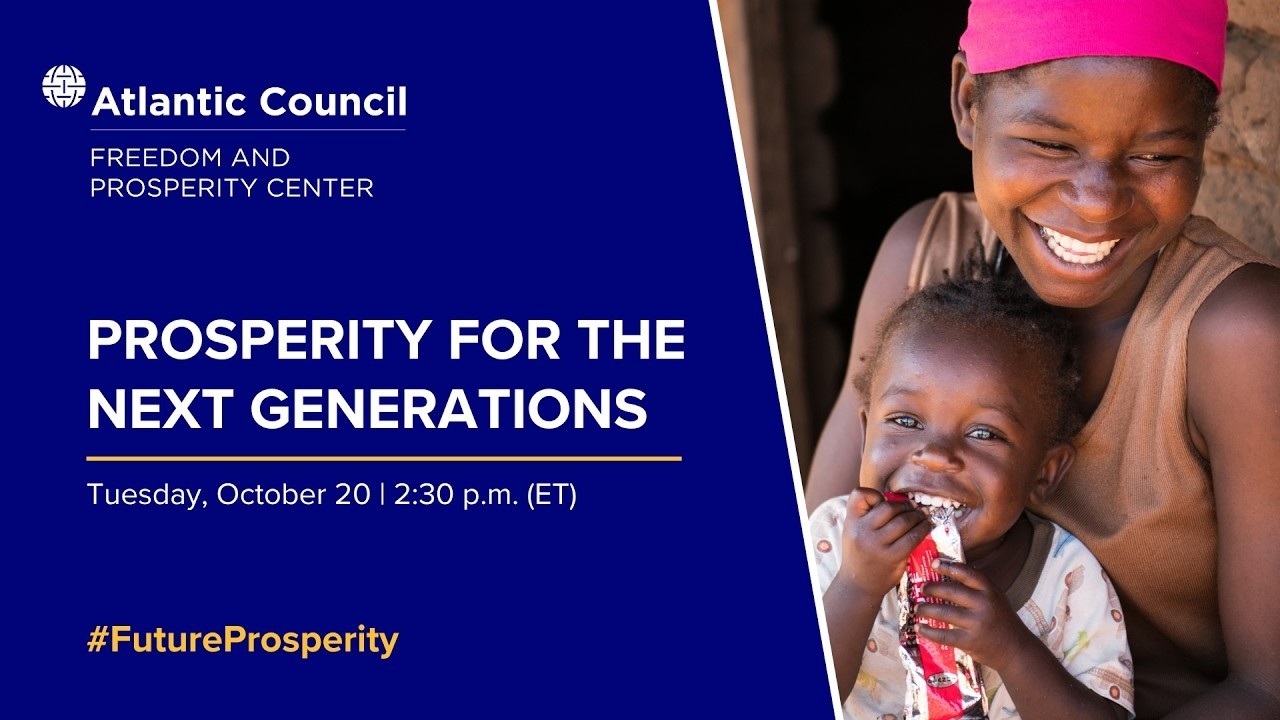
Prosperity for the Future Generations
Keywords
Summary
169 words
Critical Evaluation
Value of the Information & Strength of the Argument
The information provided is valuable as it gives an insider perspective on a US government initiative aimed at global education. The argumentation is coherent, with Wallace explaining the rationale behind the initiative’s focus on technology and partnerships. However, the discussion lacks empirical evidence or detailed data to support claims about effectiveness. The arguments are primarily based on anecdotal successes and the enthusiasm of the participants, rather than rigorous evaluation. The interview does not address potential criticisms or challenges in detail, making the argumentation somewhat one-sided.
Scientific Rigor, Source Quality, Title Accuracy
The discussion is based on the speaker’s direct involvement and official information, but specific data and sources are not cited. The title accurately reflects the content. There is no mention of any external sources beyond general references to programs and partners. The absence of concrete citations limits the ability to verify claims. The approach is consistent with an expert opinion format, but not a scholarly or evidence-based presentation. The title-contrary? It matches perfectly.
173 words
Title / Content Match
The title accurately reflects the focus on future generations and prosperity, aligning well with the interview content.
Quality & Reliability
6/10
The content is an expert interview with a US Special Envoy, discussing a government initiative. Information is presented from an official perspective, but lacks independent data or critical analysis. The discussion is informative but primarily promotional in nature.
Key Moments
Markers derived by PSI from the transcript: the creator did not define chapters.
- Introduction of James Maserella and Charity Wallace, setting the context of the discussion.
- Wallace describes the 'Fostering the Future Together' initiative and its four pillars.
- Discussion on the youth bulge and the importance of preparing 1.2 billion young people for the digital era.
- Addressing online protection and the balance between technology risks and benefits.
- How to measure long-term impact and ensure effective education interventions.
- Upcoming regional summits and G20/G7 engagements.
- Including refugee and displaced children in the initiative, with examples like Zoom for Ukrainian children.
Contribution & Novelties
The interview provides a firsthand account of a recent US government initiative, offering insights into how public-private partnerships are being leveraged for global education. It highlights specific approaches like the use of Starlink for connectivity and the Take It Down Act as a model for legislation. However, the content is not deeply novel, as similar initiatives have been discussed elsewhere. The value lies in the specific details of the current administration’s strategy.
Pour aller plus loin :
- Sustainable Development Goal 4 — Relevant for global education targets.
- Educational technology — Discusses the tools and platforms mentioned in the video.
- Digital literacy — A core pillar of the initiative.
108 words
Radar Profile
The radar profile shows moderate scores across information quantity, quality, and reliability, with a lower technical level. This reflects an expert opinion format that is informative but not deeply technical or evidence-rich. The initiative is presented positively, but the lack of critical analysis limits the overall impact.