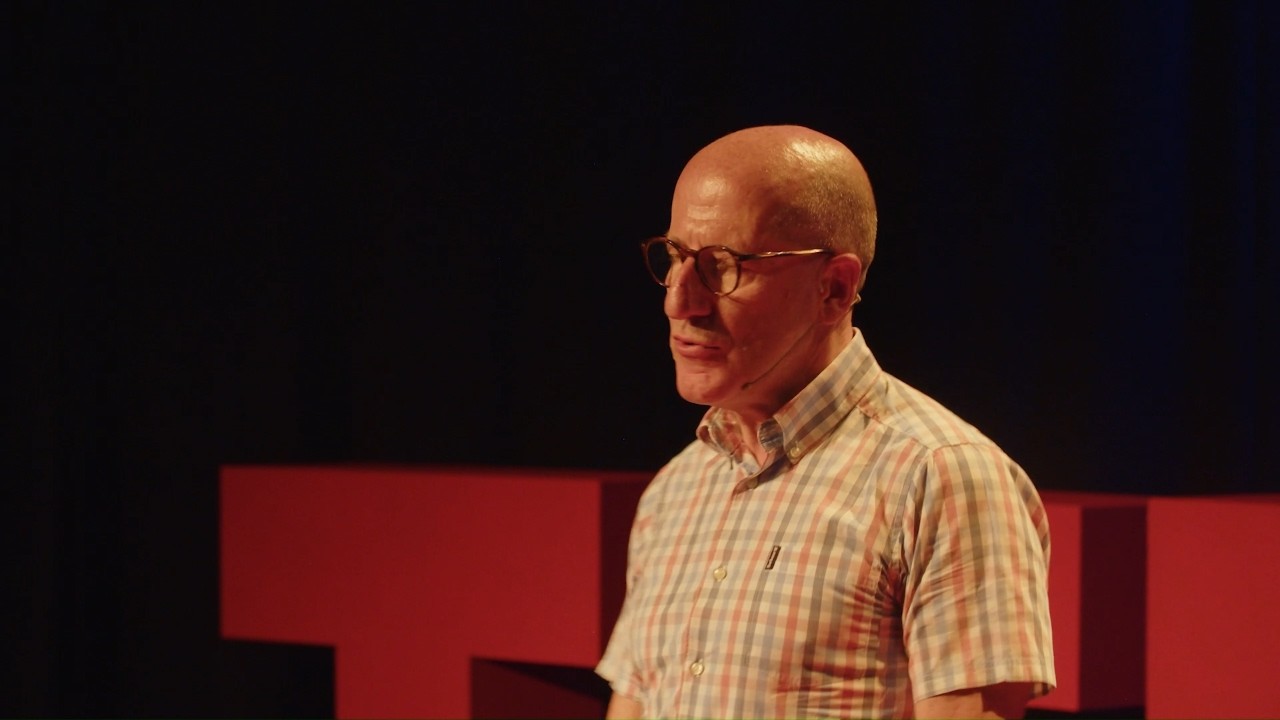
We CAN! | Daran Bennett & Darren Harding | TEDxCrawley
Title history
- We CAN! | Daran Bennett & Darren Harding | TEDxCrawley — observed on 20261027-0213 UTC (YouTube)
Keywords
Summary
126 words
Critical Evaluation
Value of the Information & Strength of the Argument
The talk offers practical insights into how corporate social responsibility can be reframed to emphasise non-monetary contributions and mutual benefit. The argumentation is based on anecdotal evidence and a self-reported pilot, which gives it credibility in terms of real-world application but not in scientific rigor. The speakers clearly articulate the problems and propose a concrete solution, supporting their points with specific examples like the urgent supply of water bottles and the redistribution of office furniture. However, they do not provide comparative data or independent evaluation, which weakens the robustness of their claims.
Scientific Rigor, Source Quality, Title Accuracy
The presentation lacks formal citations or references to external studies, relying instead on personal experience and internal metrics. The only source is the TEDx platform itself. While the speakers mention a ‘big research project’ in progress, no details or results are provided. The title is engaging and directly reflects the message and the acronym of the initiative, which is effective for a public talk though perhaps less precise for a scientific audience. Overall, the talk is more of a personal narrative than a peer-reviewed contribution, yet it is coherent and clear in its presentation.
201 words
Title / Content Match
The title 'We CAN!' cleverly echoes the project 'Collective Action Network' and encapsulates the message of collective capability. It aligns well with the content.
Quality & Reliability
6/10
The talk is based on personal experience and a self-described pilot project without independent verification. It offers concrete examples but lacks external sources or rigorous methodology.
Key Moments
Markers derived by PSI from the transcript: the creator did not define chapters.
- Introduction and humorous remarks about the two Darrens, setting the tone for the talk.
- Running story: how a dragon boat race sparked team engagement and led to a charity partnership.
- Introduction of the RPD Foundation and its three pillars: internal CSR, sector support, and a fresh approach to CSR.
- The first success story: a charity requesting a box of paper, illustrating the brokerage model.
- Detailed description of the Collective Action Network model: marketplace, resources, partner plus, and enablers.
- Pilot impact numbers: over 40 charities and corporates, £250k social impact, and the call to action.
Cited Sources
- TEDx Talks — Official TEDx platform, mentioned in the description as the source for the talk format.
Contribution & Novelties
The novelty lies in presenting a practical brokerage model that shifts CSR from financial donations to in-kind contributions and skills-based volunteering, thereby lowering barriers to corporate engagement and creating a measurable social impact. The talk offers a concrete example of how a local network can operationalise collective action. The emphasis on measurement, including environmental impact, is a valuable addition to typical CSR discussions.
Pour aller plus loin :
- Corporate social responsibility — Provides background and frameworks for understanding CSR, useful for contextualising the talk’s approach.
- Collective action — Explores the theoretical basis of how groups cooperate for common benefit, directly relevant to the Collective Action Network.
- Social return on investment — A method for measuring social impact, which aligns with the speakers’ emphasis on quantifying their results.
127 words
Radar Profile
The scores show a moderate quantity of information, decent quality, low technical complexity, and moderate reliability. This profile suggests a talk that is accessible and engaging but not deeply technical or independently verified, fitting an expert opinion rather than a rigorous scientific study.