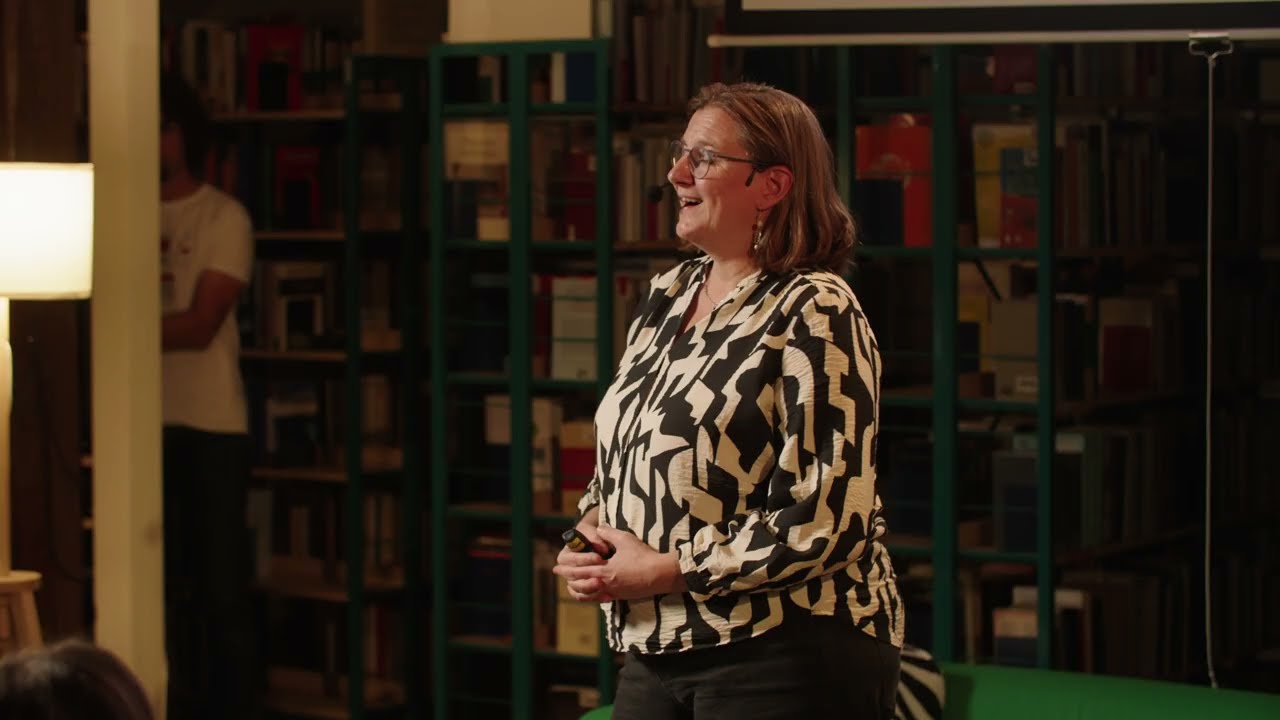
Od uvažavanja prava i potreba djece do hiperprotektivnosti | Neda Vac Burić | TEDxKoprivnica Library
From respecting children's rights and needs to hyperprotectiveness | Neda Vac Burić | TEDxKoprivnica Library
Title history
- Od uvažavanja prava i potreba djece do hiperprotektivnosti | Neda Vac Burić | TEDxKoprivnica Library — observed on 20261028-1835 UTC (YouTube)
Keywords
Summary
201 words
Critical Evaluation
Value of the Information & Strength of the Argument
The talk provides a valuable perspective from a practitioner with decades of experience, merging personal anecdotes with professional observations. The central argument—that overprotection may undermine children’s resilience—is well supported by illustrative examples and aligns with established psychological literature. However, the argumentation relies heavily on qualitative evidence and personal authority rather than empirical data. The speaker acknowledges the complexity and avoids placing blame, which strengthens her credibility. She effectively contrasts past and present parenting norms, but the lack of concrete references to the cited research limits the robustness of the claims.
Scientific Rigor, Source Quality, Title Accuracy
The talk references Jesper Juul’s work and mentions a study presented at a professional round table, but provides no specific names, dates, or methodologies. The only explicit link in the description is to the general TEDx website. While the speaker’s practical expertise is evident, the scientific rigor is moderate; the content is more experiential than evidence-based. The title aligns well with the content, clearly framing the shift from rights-based approaches to hyperprotection. The talk is presented in Croatian, which may limit accessibility, but the message is universal. The absence of detailed source citations weakens the ability to independently verify the factual claims presented.
208 words
Title / Content Match
The title accurately reflects the talk's arc from discussing children's rights and needs to critiquing overprotective parenting, though the focus is more on hyperprotection than on the rights framework.
Quality & Reliability
6/10
The talk offers a coherent expert perspective grounded in professional practice, but relies primarily on anecdotal evidence and loosely referenced research, with no detailed methodology or verifiable citations.
Key Moments
Markers derived by PSI from the transcript: the creator did not define chapters.
- Introduction and welcome; the speaker outlines her background working with children and families.
- Exploration of past authoritarian parenting practices and her personal experiences growing up.
- Presentation of the paradox: today's focus on children's happiness coincides with rising anxiety and depression in youth, citing a study on high school students.
- Concrete example from a kindergarten workshop illustrating the difference between supporting a child and overreacting to minor disappointments.
- Discussion of working with grieving families and the importance of preparing children for difficult topics like loss rather than shielding them.
- Reference to professor Nataša Jokić-Begić's talk about how parental over-helping sends a message of distrust in children's abilities.
- Conclusion: children learn by doing; parents should allow mistakes while remaining a safe support network.
Cited Sources
- TEDx official page — The talk was given at a TEDx event, and the description links to the general TEDx website for more information about the event format.
Contribution & Novelties
The talk offers a nuanced practitioner’s view on the pitfalls of overprotective parenting, distinguishing between genuine support and actions that unintentionally inhibit children’s autonomy. It contributes to the ongoing discourse on child psychology by contextualizing modern parenting challenges within a historical shift from authoritarianism to overprotection. The speaker’s work with bereaved families adds an often-overlooked perspective on preparing children for resilience.
Pour aller plus loin :
- Jesper Juul (therapist) — Foundation of the equal dignity concept referenced in the talk.
- Parenting styles — Explains different parenting approaches and their outcomes, relevant to the dichotomy described.
- Adolescent mental health (WHO) — Official data on anxiety and depression prevalence among youth, echoing the statistics mentioned.
113 words
Radar Profile
The radar profile shows a moderate-to-high score on information quantity and quality, but low technical level and medium reliability. This indicates a practitioner-driven talk that is accessible and coherent, yet lacks rigorous scientific depth and verifiable sources.