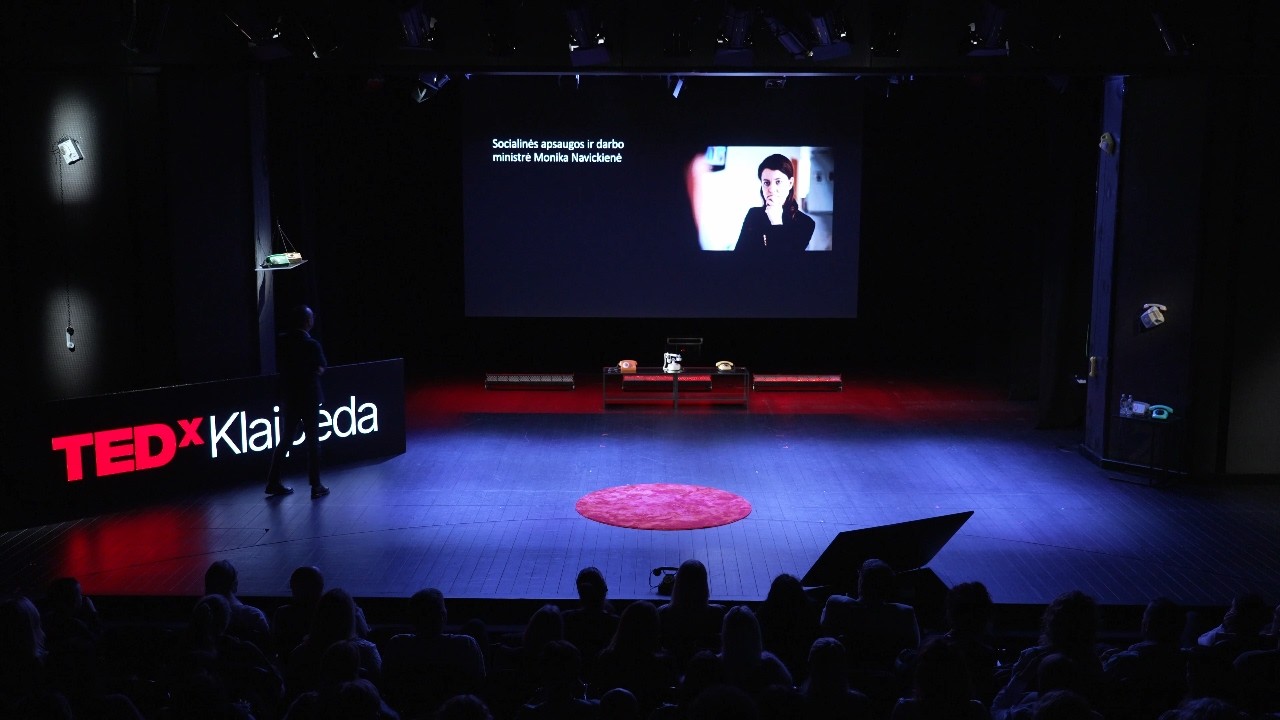
Kai biurokratija, tvarkos ir taisyklės pameta žmogų | Edvardas Kubilius | TEDxKlaipėda
When bureaucracy, order and rules lose sight of the person | Edvardas Kubilius | TEDxKlaipėda
Title history
- Kai biurokratija, tvarkos ir taisyklės pameta žmogų | Edvardas Kubilius | TEDxKlaipėda — observed on 20261106-1628 UTC (YouTube)
Keywords
Summary
132 words
Critical Evaluation
Value of the Information & Strength of the Argument
The value of the information lies in its humanising effect, bringing concrete faces to abstract bureaucratic failures. The speaker’s argumentation is inductive, using compelling narratives to expose systemic flaws. However, the argumentation is anecdotal and does not provide statistical evidence or a comprehensive analysis of the problem. The stories are powerful but may not represent a general trend, and the speaker does not discuss counterarguments or potential solutions in depth. The call to action is inspirational but lacks practical steps.
Scientific Rigor, Source Quality, Title Accuracy
The talk is a personal narrative based on journalistic investigations, but no specific sources are cited beyond the stories themselves. The quality of sources is thus not verifiable. The title matches the content, and the talk adheres to the TEDx format of personal storytelling. There is no scientific rigor in the traditional sense, but it is an ethical and social commentary.
156 words
Title / Content Match
The title accurately reflects the content: the talk illustrates how bureaucratic processes and rules fail to see the human behind cases, using real-life stories.
Quality & Reliability
6/10
The talk relies on personal anecdotes and journalistic stories, which are emotionally compelling but lack systematic data or verifiable sources. The credibility comes from the speaker's professional background, but the evidence is anecdotal and cannot be independently verified.
Key Moments
Markers derived by PSI from the transcript: the creator did not define chapters.
- Introduction about holding a microphone and the topic of bureaucracy as a monster.
- Story of Vaida: a disabled woman declared 100% employable despite losing control of her arm.
- Story of Ona: a caregiver struck from the unemployment register after rejecting a job offer while grieving.
- Story of Birutė: a woman caring for two elderly without formal arrangements, later honored by the President.
- Final call to action against bureaucracy and plea to see the human in every case.
Cited Sources
- TEDx — The TEDx program that hosted this talk.
Contribution & Novelties
The talk uniquely brings personal journalistic stories to illustrate systemic flaws, making abstract bureaucracy tangible. It highlights the emotional cost on individuals and calls for a human-centered approach.
Pour aller plus loin :
- Bureaucracy — Overview of bureaucratic systems and their characteristics.
- Red tape — The excessive regulation or rigid conformity to formal rules that can impede action.
- Disability rights — The movement and legal frameworks protecting the rights of people with disabilities.
73 words
Radar Profile
The profile shows low technical level and moderate information quantity, but higher quality in the vividness of anecdotes. Reliability is limited due to anecdotal nature, yet the talk's strength is in its emotional and ethical impact.