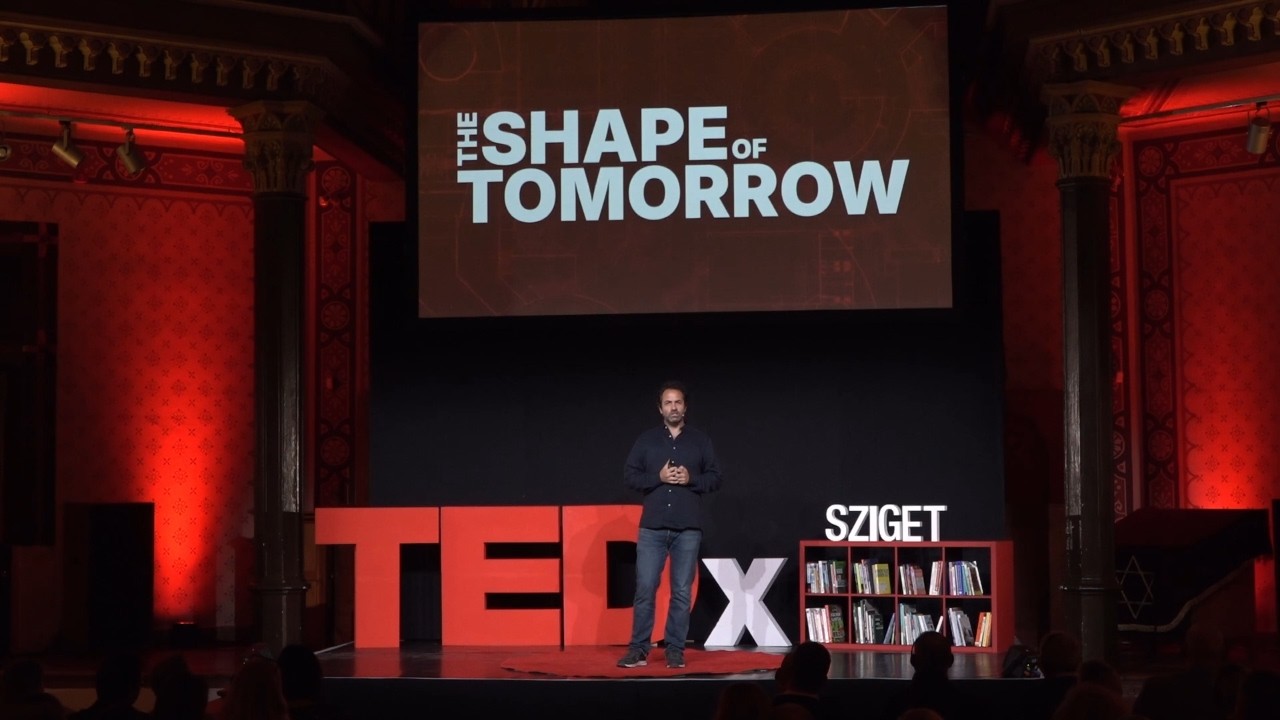
A közösség ereje – hogyan változtat meg minket, ha nem vagyunk egyedül? | Csaba Kéri | TEDxSziget
The power of community – how does it change us when we are not alone? | Csaba Kéri | TEDxSziget
Keywords
Summary
196 words
Critical Evaluation
Value of the Information & Strength of the Argument
The talk offers a heartfelt and engaging case for creating spaces for genuine human interaction. Its value lies in the inspiring examples and the practical idea of structured ‘click-free’ events, which are low-cost and replicable. The argument is built on a blend of personal narrative and selective citation of research, but the evidence is thin and not systematically presented. The speaker’s enthusiasm and personal stories are persuasive, yet the logical chain from anecdotes to broad conclusions about social change is arguably underdeveloped.
Scientific Rigor, Source Quality, Title Accuracy
The scientific rigor is limited: the mentioned studies (OSD and Oxford) are not precisely identified, and no concrete citations or methodologies are provided. The sources are largely oral anecdotes and personal experiences, which, while authentic, do not constitute robust evidence. The title is well-aligned with the content, capturing the talk’s core message. The speaker’s credibility is based on his role as a community organizer rather than as a scientist, and the presentation does not claim to be a peer-reviewed study. Overall, the content is more inspirational than scientifically rigorous, but the lack of accurate sourcing is a significant weakness.
196 words
Title / Content Match
The title accurately reflects the core theme of the talk: the transformative power of community and proactive personal connection. The content directly addresses this premise throughout.
Quality & Reliability
4/10
The talk presents personal anecdotes and general impressions, with only two vaguely referenced studies (OSD and an Oxford study) without giving exact sources or data. The speaker is a community builder, not a researcher, and the arguments rely heavily on subjective experience rather than rigorous evidence.
Key Moments
Markers derived by PSI from the transcript: the creator did not define chapters.
- Woody Allen scene about approaching a stranger at an art exhibition, highlighting the rarity of such initiations today.
- Statistics on declining friend meetings and rising loneliness, especially among youth.
- Introduction of HaverVagy? community, its expansion to eight Hungarian cities and six countries.
- Emphasis on kindness, its meaning in Hungarian, and the importance of smiling.
- Oxford research findings that conversations with strangers are better than expected, and fear of not being interesting enough.
- Story of Gerendai Károly, Sziget founder, and how his experience with a Jewish family reduced prejudices.
- Anecdote about a guest with an irredentist shirt at a HaverVagy? event, who eventually opened up and became a regular.
- Conclusion: belief in the uniqueness of every person, quoting Kosztolányi, and encouragement to find the 'haver' in each other.
Cited Sources
- TEDx Program Overview — Mentioned in the video description as the independent TEDx event format; the talk was organized locally under this framework.
Contribution & Novelties
The talk contributes an original model for community building through ‘click-free parties’ that deliberately engineer serendipitous interactions during a time of rising loneliness. Its personal anecdotes about overcoming prejudice offer a practical approach to conflict resolution, though they are not scientifically tested. The talk underscores the importance of offline connection in a digital age, a theme that resonates with recent sociological research.
Pour aller plus loin :
- Social connection - Wikipedia — Overview of the concept and its importance in well-being.
- Loneliness epidemic - Wikipedia — Discusses the widespread rise of loneliness and its social implications.
- Talking to strangers - research by Gillian Sandstrom — Her studies on the positive effects of interacting with strangers, which align with the Oxford study mentioned.
- Böjte Csaba’s work — Hungarian priest known for his community-building efforts, whose quote on seeing the good in others is cited.
143 words
Radar Profile
The radar profile shows moderate scores across the board, with quantity of information slightly higher than quality and reliability. This reflects a talk rich in anecdotal content but lacking in rigorous scholarly backing. The low technical level is consistent with a public-facing, non-specialist audience. The overall balance suggests an inspiring but not deeply evidence-based presentation.