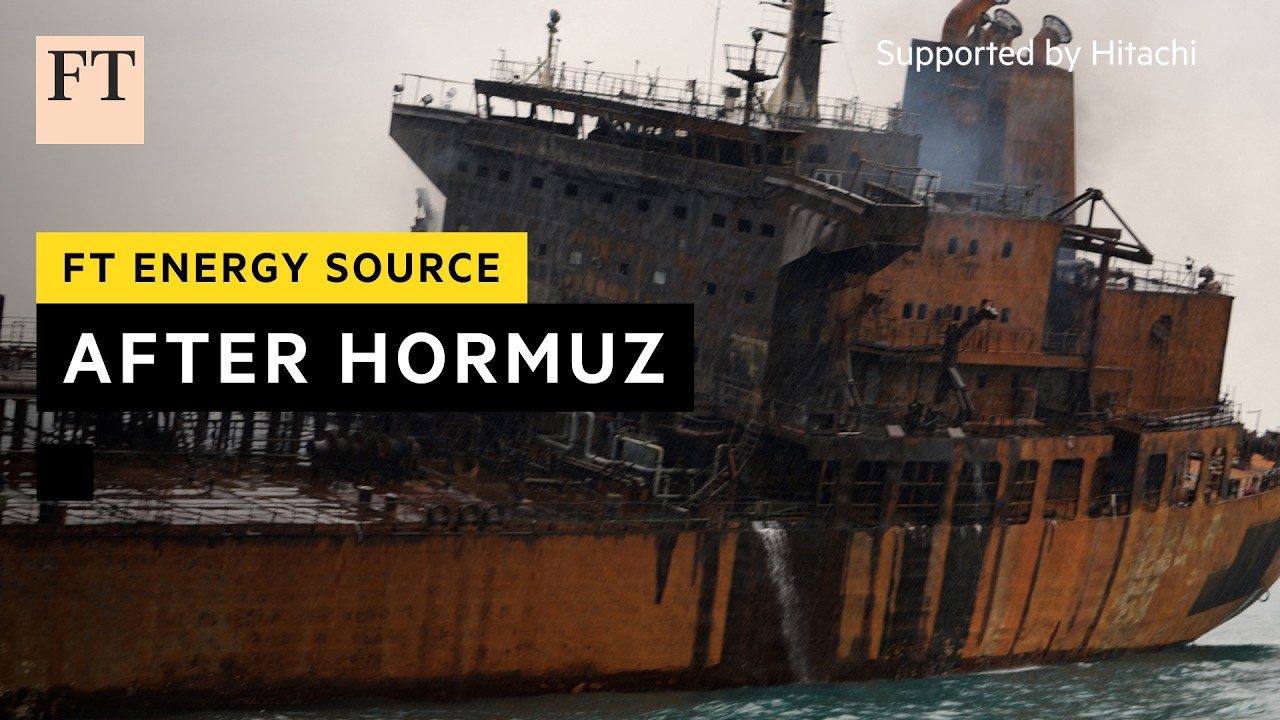
The global energy order after Hormuz | FT Film
Keywords
Summary
200 words
Critical Evaluation
Value of the Information & Strength of the Argument
The video adds value by synthesizing multiple expert viewpoints on a complex, unfolding situation. It provides a nuanced argument about market reactions, distinguishing between crude oil and refined product prices, and addresses the ideological and practical dimensions of energy security. The argumentation is solid, with logical progression from immediate market impacts to long-term geopolitical consequences. However, some predictions, such as the impossibility of immediate resolution, remain speculative and depend on uncertain outcomes. The reliance on expert opinion rather than hard data limits the empirical grounding, but the reasoning is coherent and well-structured.
Scientific Rigor, Source Quality, Title Accuracy
The video does not cite specific external sources or studies, instead relying on the expertise of FT journalists and analysts. The quality of sourcing is high given FT’s reputation, but the lack of explicit references makes independent verification difficult. The title is accurate, but the content is more analytical than purely factual, blending news reporting with interpretation. The absence of cited data sources means the rigor is based on the credibility of the participants rather than transparent evidence.
185 words
Title / Content Match
The title accurately reflects the content, which discusses the global energy order after the Strait of Hormuz crisis.
Quality & Reliability
8/10
The video features credible FT journalists and analysts, provides a balanced view of the energy crisis, and bases conclusions on market data and expert perspectives. However, it is largely opinion-based and lacks specific citations to external reports.
Key Moments
Markers derived by PSI from the transcript: the creator did not define chapters.
- Warning that no ships may pass through the Strait of Hormuz, sparking market panic.
- Discussion on why oil prices did not spike higher initially, with China's import cuts and US efforts to talk down the conflict.
- Europe's energy dependence on US gas and the push for energy independence, including nuclear power considerations.
- The long-term need for renewable energy and the challenges of supply chain dependencies.
- Geopolitical implications: hardening alliances, weakened global institutions, and the potential for a new normal of higher energy costs.
Cited Sources
- FT Schools free access — Link in description offering free FT access for students.
- FT subscription trial — Link to FT subscription trial.
- FT Podcasts — Link to FT podcasts.
External References
Contribution & Novelties
The video provides a contemporary analysis of the post-Hormuz energy landscape, highlighting the intersection of geopolitical conflict and energy economics. It offers fresh insights into market anomalies, such as bond price declines during an oil shock, and underscores the long-term shift toward energy security considerations. The discussion of diversified supply chains and the resilience costs adds a practical dimension.
Pour aller plus loin :
- Strait of Hormuz — Key geographic chokepoint central to the discussion.
- Energy security — Concept central to the video’s analysis of supply risks.
- International Energy Agency — Trusted source for energy data and policy analysis.
- Renewable energy — Long-term solution repeatedly advocated in the video.
109 words
Radar Profile
The scores show a well-balanced profile, with strong information quantity and quality, moderate technical depth, and good overall reliability. This suggests a comprehensive yet accessible analysis for a general audience, with a slight emphasis on providing abundant information over technical sophistication.
💬 Based on the 30 comments analyzed, the sentiment is predominantly negative, with many criticizing the lack of fresh insights and expressing concerns about the war's consequences. Some comments also advocate for renewable energy as a solution.