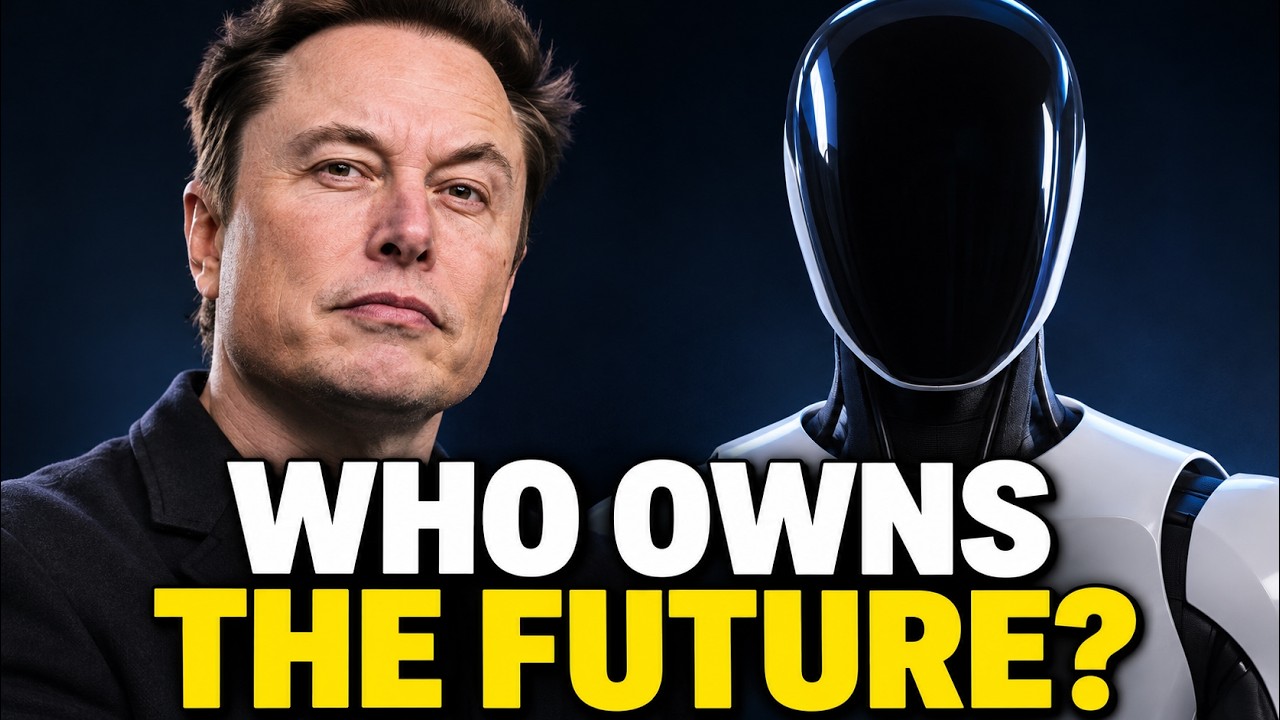
Elon's Shocking Optimus Decision
Title history
- Elon's Shocking Optimus Decision — observed on 20261110-1254 UTC (YouTube)
Keywords
Summary
170 words
Critical Evaluation
Value of the Information & Strength of the Argument
The video offers valuable insight into Tesla’s potential business model for Optimus, connecting it to the SpaceX compute playbook and financial metrics. The argumentation is logically structured, using direct quotes from Musk and specific data on robot productivity, costs, and market size. However, it relies heavily on the author’s interpretation and projections, with some speculative leaps from compute rentals to robot rentals.
Scientific Rigor, Source Quality, Title Accuracy
The video cites primary sources like Musk’s public statements, Tesla’s financial reports, and SpaceX’s prospectus, but lacks external verification. The author discloses his Tesla employment and stock holdings, adding credibility but also potential bias. The title accurately reflects the surprising nature of Musk’s rental preference, aligning perfectly with the video’s focus. No significant discrepancies between title and content.
135 words
Title / Content Match
Highly appropriate; the title accurately captures the surprise of Musk's rental suggestion and the strategic implications discussed.
Quality & Reliability
7/10
Video is a well-structured analysis based on direct quotes from Elon Musk, financial figures, and disclosure of the author's background and investments. However, it lacks independent verification and is subject to the author's interpretations.
Chapters
Cited Sources
- Master Plan: What Elon Musk is Actually Building — Book mentioned as a deeper dive into Tesla's overall strategy.
- Abundance or Collapse — Book referenced for additional context on technological abundance.
- Grok Bot Solo — Tool used to create the video, mentioned in description.
External References
Contribution & Novelties
The video’s contribution is its explicit comparison of Tesla’s robot rental model to SpaceX’s compute rental strategy, framing Optimus as a physical token factory. It provides a quantitative analysis of robot productivity and argues that renting turns robots into a labor utility with massive market potential. The discussion on orchestrator roles and governance risks is also insightful, though speculative.
Pour aller plus loin :
- Robotics as a service — Relevant to the rental business model described.
- Humanoid robot — Provides background on the technology and development challenges.
- Physical AI — Might be a stretch, but concept of AI embodied in robots; alternatively, Artificial intelligence for context.
106 words
Radar Profile
The radar would show high scores in quantity and quality of information, moderate technical depth, and good reliability. The profile suggests a content that is informative and well-argued but relies on the author's expertise rather than peer-reviewed sources.