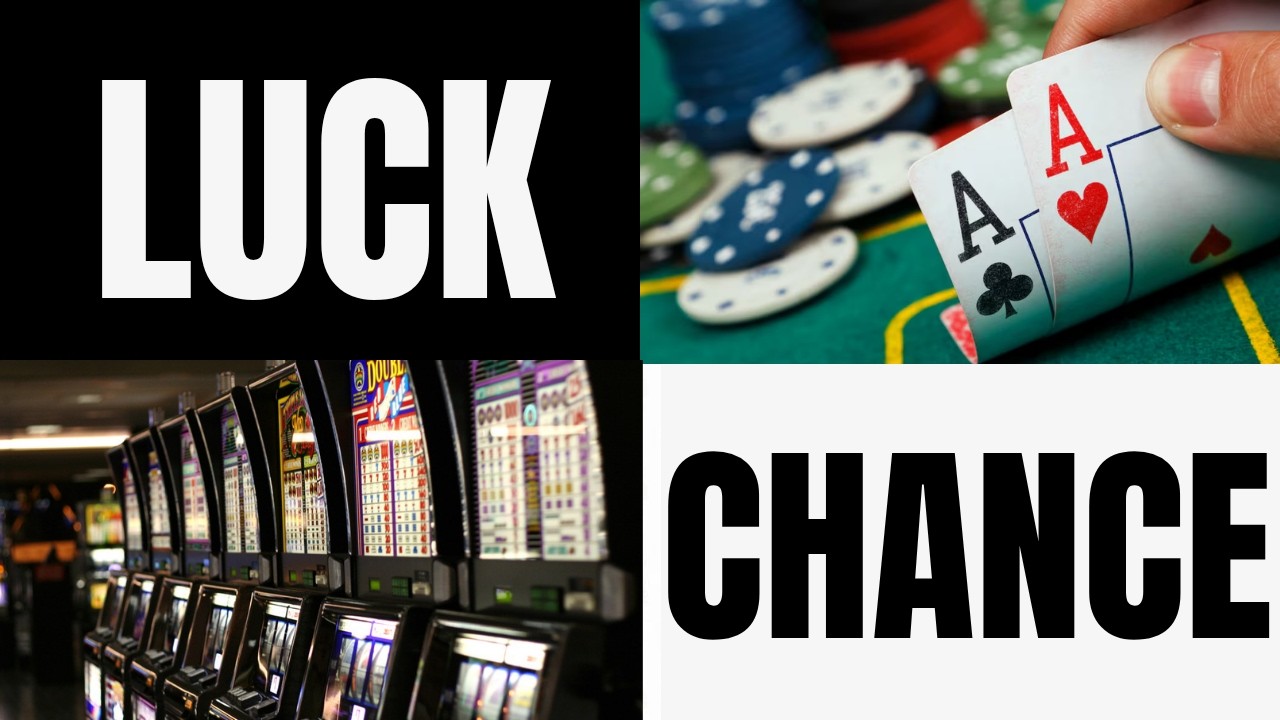
The Lost Art of Luck, Chance and Randomness in Games
Keywords
Summary
131 words
Critical Evaluation
Value of the Information & Strength of the Argument
The video provides substantial value by synthesizing diverse historical and theoretical sources into a coherent narrative about the role of chance in games. It effectively argues that games of chance serve both pro-social and exploitative functions, and that their meaning is shaped by cultural rhetorics. The argumentation is well-structured, moving from case studies to theory and back, and it acknowledges counterpoints such as the skill element in poker. However, some conclusions are presented as definitive without extensive empirical backing, and the creator’s personal perspective is evident. The strength lies in its interdisciplinary approach and the breadth of cited literature.
Scientific Rigor, Source Quality, Title Accuracy
The video cites reputable academic works and design books, including Costikyan, Caillois, Schull, and Sutton-Smith, and references GDC talks and historical sources. The description provides links to additional talks. The title accurately captures the content, though it might imply a ’lost art’ that is more metaphorical than factual. The video adheres to scholarly rigor in its citations and does not fabricate sources, but it relies on interpretive analysis rather than empirical evidence.
186 words
Title / Content Match
The title accurately reflects the video's exploration of luck, chance, and randomness in games, including their cultural history and design implications.
Quality & Reliability
8/10
The video draws on a wide range of academic and design sources, including works by Caillois, Geertz, Schull, and Costikyan, and presents a coherent cultural-historical argument. However, some claims rely on personal interpretation and the analysis is not peer-reviewed.
Chapters
- Snakes and Ladders, Monopoly and The Lost Art of Chance
- Luck, Chance and Randomness in Games , Design and Life
- The Cultural History of Chance | On Divination and Gambling
- Balatro and the Cultural confusion of Chance
- Poker and the Aesthetics of Duality
- Wargames and the Rhetorics of Fate
- Rogue likes and the Procedural design of fate
- The Cultural Control of Luck , Chance and Randomness
- Addiction by Design and the Machine Zone of Controlled Surveillance
- Why we play games with Chance, Randomness and Luck
Cited Sources
- Luck and Skill in Games GDC — Referenced in the video as a source on luck and skill in game design.
- Spelunky GDC, Derek Yu — Referenced in the video for Derek Yu's talk on Spelunky and procedural design.
- Kriegsspiel footage, International Kriegsspiel society — Referenced in the video as a visual example of Kriegsspiel simulation.
Concurring Sources
- Uncertainty in Games — Greg Costikyan's book on uncertainty in game design, cited in the video.
- Man, Play and Games — Roger Caillois's classification of play, referenced in the video.
- Addiction by Design — Natasha Schull's work on machine gambling and the machine zone, central to the video's critique.
External References
Contribution & Novelties
The video innovatively weaves together cultural history, game design theory, and critical commentary on exploitation, offering a comprehensive perspective on how chance-based games are perceived and utilized. It challenges simplistic views of luck as merely a mechanic, instead positioning it within broader cultural and historical contexts, and connects contemporary issues like loot boxes to longstanding practices in gambling.
Pour aller plus loin :
- Snakes and Ladders — Provides background on the game’s origins and karmic allegory.
- Kriegsspiel — Explains the military simulation game referenced in the video.
- Roguelike — Details the genre’s procedural generation and design lineage.
- Surveillance capitalism — Contextualizes Zuboff’s concept discussed in the video.
107 words
Radar Profile
The video excels in information density and quality, with a strong conceptual framework, but its technical depth is moderate as it focuses on cultural analysis rather than quantitative methods. The reliability is high due to reliance on published works.