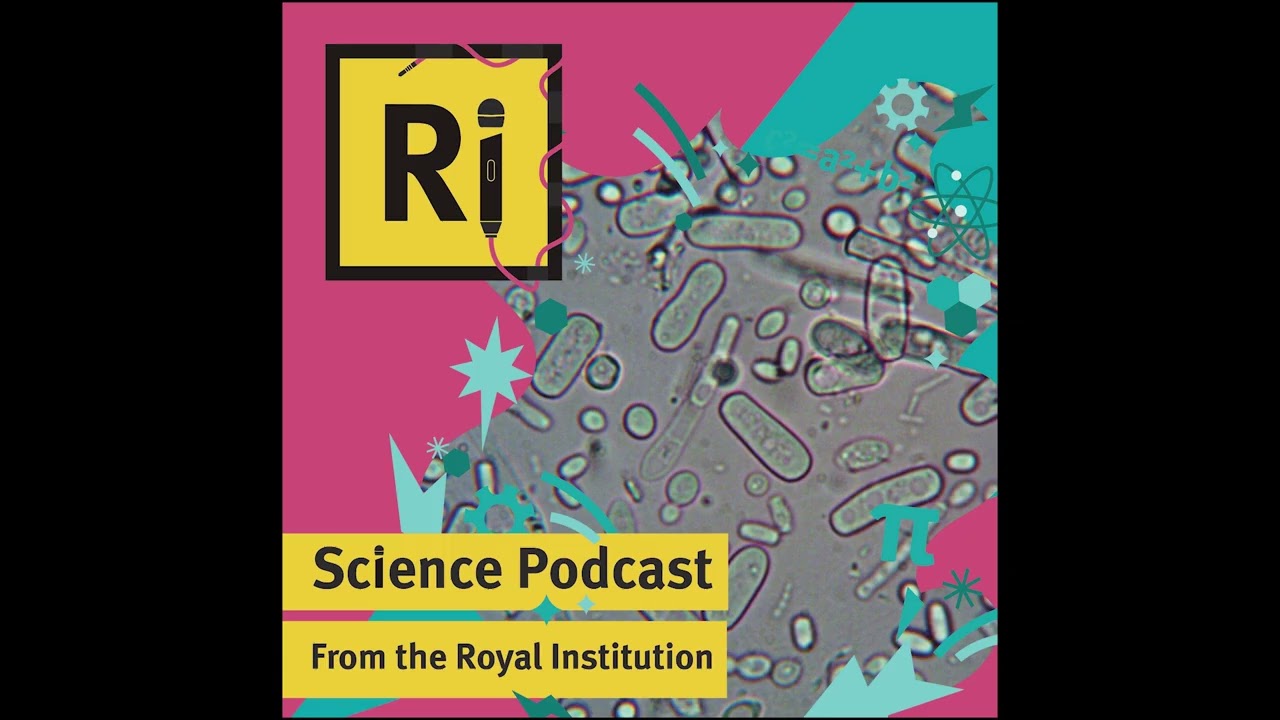
From the PhD Lab: How do biofilms help keep bacteria alive? - with Josh Horton
Title history
- From the PhD Lab: How do biofilms help keep bacteria alive? - with Josh Horton — observed on 20261104-1852 UTC (YouTube)
Keywords
Summary
158 words
Critical Evaluation
Value of the Information & Strength of the Argument
The video provides valuable insights into the biology of biofilms, explaining their protective role and the genetic regulation involved. The argumentation is solid: Josh uses a real-world example (Kinder Surprise recall) to illustrate the practical consequences of biofilm formation, and he logically walks through the steps of his research, from identifying a novel gene to narrowing down its function. He also acknowledges uncertainties and the ongoing nature of his work, which adds credibility. The discussion of potential beneficial uses of biofilms enriches the value by showing both sides. The scientific content is presented clearly, making it accessible to a general audience while retaining technical depth for interested viewers.
Scientific Rigor, Source Quality, Title Accuracy
The scientific rigor is adequate: Josh mentions specific genes (CsgD, maoP), techniques (TARDIS), and examples (Kinder Surprise), but he does not cite peer-reviewed literature. The information is based on his ongoing research, which is not yet published. The title accurately reflects the content. No comments were provided, so no analysis of public reception is possible.
178 words
Title / Content Match
The title accurately reflects the content: the video explains how biofilms protect bacteria and discusses their formation and regulation.
Quality & Reliability
8/10
The video features a PhD student presenting his ongoing research with appropriate caveats and concrete examples, but it is not peer-reviewed and represents an individual perspective.
Key Moments
Markers derived by PSI from the transcript: the creator did not define chapters.
- Introduction to the podcast series and guest Josh Horton.
- Josh explains what biofilms are and their importance in various environments.
- Discussion of Salmonella and the 2022 Kinder Surprise recall as an example of biofilm-related contamination.
- Overview of gene regulation in Salmonella biofilms, including CsgD, maoP, and the TARDIS technique.
- Josh talks about positive applications of biofilms, such as bioremediation and metal recovery.
- Discussion on antibiotic resistance and the importance of science communication.
Cited Sources
- Royal Institution — Mentioned at the end of the video as the website to find out more about the Royal Institution.
Contribution & Novelties
The episode offers an accessible yet insightful look into the genetic regulation of biofilms, specifically highlighting the novel role of the gene maoP in Salmonella. It bridges basic microbial research with real-world health impacts, such as the Kinder Surprise recall. The interview also emphasizes the importance of science communication and the potential of biofilms in environmental remediation.
Pour aller plus loin :
- Biofilm — General overview of biofilms, their structure and roles.
- Salmonella — Details on the bacterium causing food poisoning and its mechanisms.
- Curli — Protein fibers involved in biofilm formation, relevant to the discussion of curli and cellulose.
100 words
Radar Profile
The radar profile shows a solid balance: high reliability and quality of information, moderate technical depth, and a moderate quantity of information, indicating a focus on depth over breadth.